




































Effective Digital Marketing Strategies for Your Cloud Kitchen
 Nickie Desiderio
Empowered by the growth of global delivery sales between 2014 and 2019, cloud kitchens (AKA “ghost kitchens” or “dark kitchens”) were on the rise even before the COVID-19 pandemic. Digital-savvy restaurants had been turning to cloud kitchens to cut occupancy and overhead costs since they allow you to start a restaurant business without a physical location. When the pandemic hit, it was only natural for the popularity of cloud kitchens to surge.
By mid-2020, the US alone was home to more than 1,500 cloud kitchens, and the numbers only keep going up. In fact, recent studies suggest that the segment can create a $1 trillion global opportunity by 2030.
Cloud kitchens have changed restaurant dining as we know it, benefiting both restaurant owners and diners. On the one hand, not having a brick-and-mortar shop means you need less capital, so it may be easier to open and maintain the restaurant. On the other hand, diners can find restaurant food more accessible because of cloud kitchens, and they can enjoy greater ordering flexibility.
However, with so many cloud kitchens out there today, opening a new one can be an uphill battle. To beat the cutthroat competition, your best bet is effective digital marketing.
Let’s walk through some of the best digital marketing strategies for cloud kitchens.
Digital Marketing Tips for Cloud Kitchens
1. Optimize Your Digital Menu

Whether you develop your own app or partner with food delivery companies, make your digital menu as appealing and interactive as can be. Attach professional photographs of your dishes, especially the classic favorites and most profitable items. Don’t forget to include simple descriptions to help customers determine the flavors of your menu items and let them know their key ingredients. The latter would be useful for customers who might have allergic reactions to certain foods.
Optimizing a digital menu also means making it compatible with any device, from desktop computers to smartwatches. Make sure the texts are readable from any device, and that the photos’ quality stays the same from whichever device they are viewed.
[acf_delivery_banner]
2. Build Your Brand on Social Media
Restaurants can open many branding opportunities on social media as it influences 50% of diners.
Using different social media platforms such as Facebook, Instagram, Twitter, and TikTok allows you to find your brand’s voice. For example, if your target audience is on TikTok, your cloud kitchen can show some behind-the-scenes clips to tease the audience. Incorporating ASMR can enhance the quality of your videos since it can give customers an idea of the kind of textures and mouth-feel your dishes might have.
Behind-the-scenes and ASMR content may also appeal to the audience on Instagram Reels. However, static visual content is the strongest type of content on Instagram, so this is the perfect place to post stunning product images.
The challenge in using Instagram, however, is not having restaurant aesthetics to show off. Instagram users who rely on the app to decide what to eat can be influenced by beautiful restaurant designs. An eye-catching atmosphere can evoke fear of missing out, so users are often eager to choose a restaurant based on its menu and interior design.
To overcome those limitations, highlight the key ingredients of your dishes for a visually stimulating effect. For example, use close-up shots and videos to make mouth-watering content of your food.
3. Build a Strong Relationship With Your Customers

Just because you don’t interact with your customers face to face doesn’t mean you can’t forge a relationship. Your cloud kitchen can also connect with customers and earn their trust and loyalty through digital means.
Incentivizing your customers is key. Diners love hearing news of their favorite restaurant’s special promos or discounts. As creatures of habit, 54% of American diners prefer to order from the same restaurant, so it’s important to retain their patronage by periodically offering promos and discounts. To make them switch to your cloud kitchen, consider offering discount vouchers, coupons, or early bird specials to your first-ever customers. Maybe you can void the delivery fee for the first 100 customers, or offer a Buy 1 Get 1 Free special menu. According to research, 20% of American diners will switch restaurants because of promos or coupons.
Another popular promo for cloud kitchens is giving out referral codes. Customers who refer your cloud kitchen to a friend can be given a discount on their next order. Their friend, on the other hand, can prove the referral by entering the name of the person who referred your cloud kitchen. In turn, you can search for that customer’s name in your Customer Relationship Management (CRM) tool.
Using a CRM tool aids in customer retention because it gives you access to important customer insights, like their addresses, order history, and food & drink preferences. Remember, retaining customers is cheaper than acquiring new ones, so rewarding repeat business is an investment.
[acf_delivery_banner]
4. Increase Organic Traffic Through SEO
While paid traffic generates results faster, increasing organic traffic is more cost-effective. When Internet users click on your website from organic search listings, they’re directed to your cloud kitchen through their natural initiative. This means you generated a lead without having to pay a single cent.
You can increase organic traffic by optimizing your content regularly. Update your menu photos, descriptions, and leverage the keywords your audience uses to look for food to order. Get listed on Google Maps as well so that users near you can find your cloud kitchen when they search for “food delivery in X area,” for example.
If possible, you can also post blogs on your website to leverage relevant keywords and highly sought-after evergreen content. Use proper call-to-action (CTA) language or buttons to encourage customers to do exactly what you want them to, which is to order your food.
5. Tap Into Influencer Marketing

Tapping into an influencer’s following is an effective way to trigger word-of-mouth advertising today. Studies show that 89% of marketers prefer influencer marketing because the ROI is comparable to—or even better than—other marketing channels.
Finding an influencer is another story, though. It can be tempting to approach big-shot celebrities, but not all of them might be interested in your industry, and some might charge steep prices. You can approach micro-influencers instead, whose follower count is between 2,000 and 10,000. They tend to target a niche audience and are more likely to partner with new or smaller brands.
6. Don’t Forget Paid Advertising
Even if you manage to drive enough organic traffic, investing in paid advertising can still up your SERP ranking fast, or increase the reach of your social media content in a short period of time.
The best times to run a paid ad campaign depend on your data. If your click-through rate is particularly high during a certain time of the day, it makes sense to post paid ads around that time. It may also be a good time to launch them during limited-time promos to maximize your reach as soon as your promo begins, and avoid instances when customers learn of your promos too late.
Make the Most of Digital Marketing With a Restaurant Management System

A restaurant management system doesn’t just streamline operations, it also provides more opportunities for promoting your cloud kitchen. Your CRM software can let you access valuable customer insights and start expansive SMS campaigns. Over time, when some of your customers become inactive, you can send them marketing SMS messages to remind them to order again, especially when you have special promos or loyalty programs.
With more than 111 million Americans using a food delivery app of some kind, partnering with food delivery companies is a great marketing strategy.
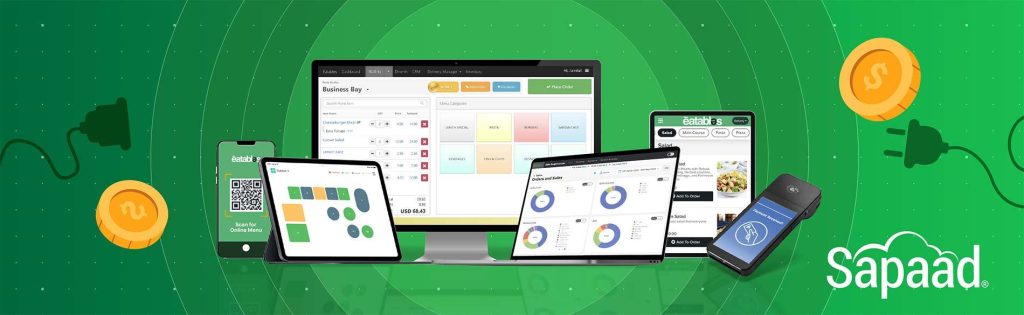
A powerful restaurant management system comes with a Cloud-based POS, online ordering system, home delivery management system, CRM software, and other integrations such as an inventory management system and business analytics. Automating your inventory tasks will let you save more money on labor, while business analytics lets you monitor your cloud kitchen’s performance anytime and anywhere. With costs under control and more money saved, you can increase your marketing budget to boost your cloud kitchen’s online visibility.
Now that online ordering and delivery is the new normal, investing in a cloud kitchen may be your way to the hospitality industry without the hefty price tag. Be “ahead in the clouds” with the right digital marketing practices and restaurant technology. They will be your keys to entering the market with a bang and finding an investor who will support your business through thick and thin.
Nickie Desiderio
Author

Related Blog Posts













Get the latest news and updates
Submit your email address to join our email list.