












































What are the top restaurant trends for 2026?
 Armie Miraflor
While 2025 was marked by the rapid emergence of new technologies and bold cultural flavors, 2026 is shaping up to be a year of refinement and intention. The trends beginning to surface now show where things are heading next — clearer signals of how diners will choose, spend, and experience restaurants in the year ahead.
Read through our forecast to see what restaurants can expect in 2026.

Trends in Diner Expectations
Selective Splurging via Deals
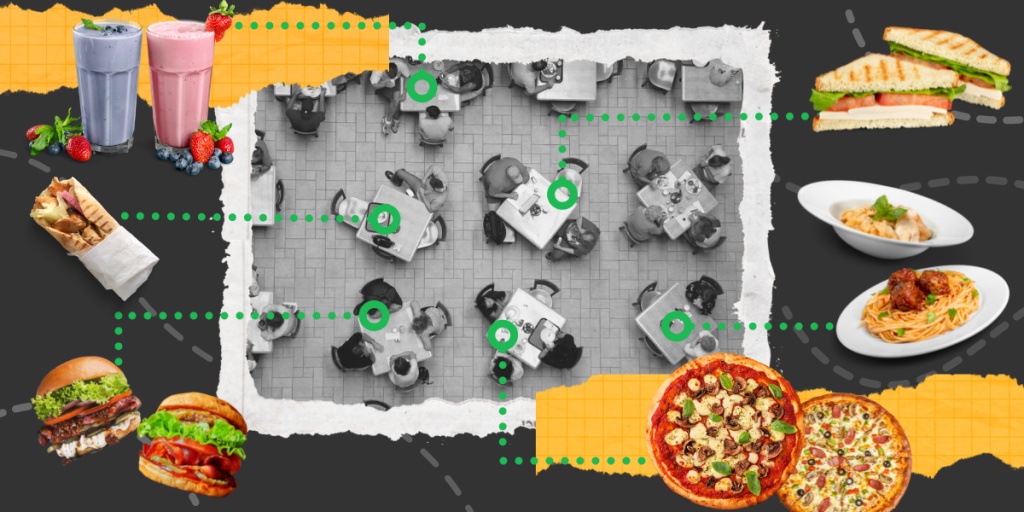
We’re seeing a real uptick in dining out, especially among Gen Z and Millennials (68% say so). For them, eating out is still very much a treat — a shared moment with friends, something to look forward to and an experience to mark a milestone. But they’re also becoming more selective.
It’s no longer just about the experience alone. Deals, bundles, happy hours, and value-led offers are increasingly what tip the scale, making a good dining experience feel truly worth it without hurting their wallets.
Flavor Escapism and New-stalgia
Nostalgia is making its way back onto menus — and not just in a throwback kind of way. Comfort foods and familiar home-style meals are getting thoughtful reworks, as chefs lean into flavors people already love, but elevate them for today. This is shaping up to be one of the defining food trends we’ll see more of in 2026.
What people are calling “adult happy meals” say it all: classic comfort dishes upgraded with premium ingredients, global sauces, or a creative twist. They tap into something familiar while still feeling fresh and exciting. From Basque cheesecakes to smashburgers, these dishes are fast becoming recession-proof dopamine menus for Gen Z and Millennials — indulgent, comforting, and just fun enough to keep coming back for more.
Regional Cultural Taste Profiles
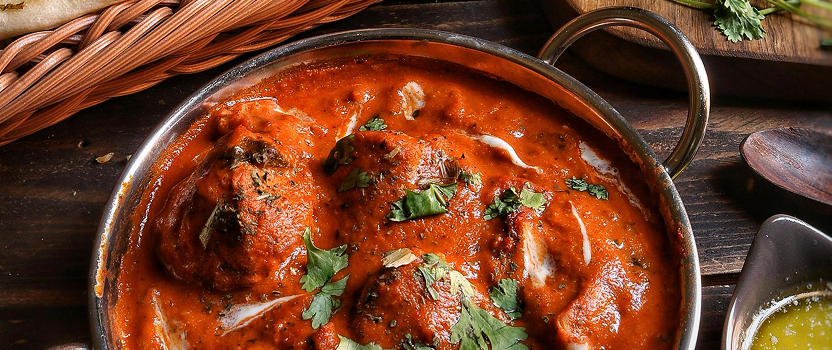
The love for fusion-style food is slowly giving way to a more culturally specific approach to dining. We’ve moved past simply labelling a restaurant as Thai, African, or Philippine-style. Today, diners are expecting more detail and depth, like Western Visayan cooking or Afro-Caribbean dishes.
The world has so much to offer, and people are increasingly drawn to flavors that feel authentic rather than adapted. A good example of this shift is Indian cuisine. It’s not just “Indian food” climbing in popularity anymore; regional cuisines like Kerala cooking are gaining real consumer interest. This kind of specificity gives restaurants a stronger sense of authenticity and a clear, dependable niche that helps them stand out.
Ingredient Transparency and Calorie Counts
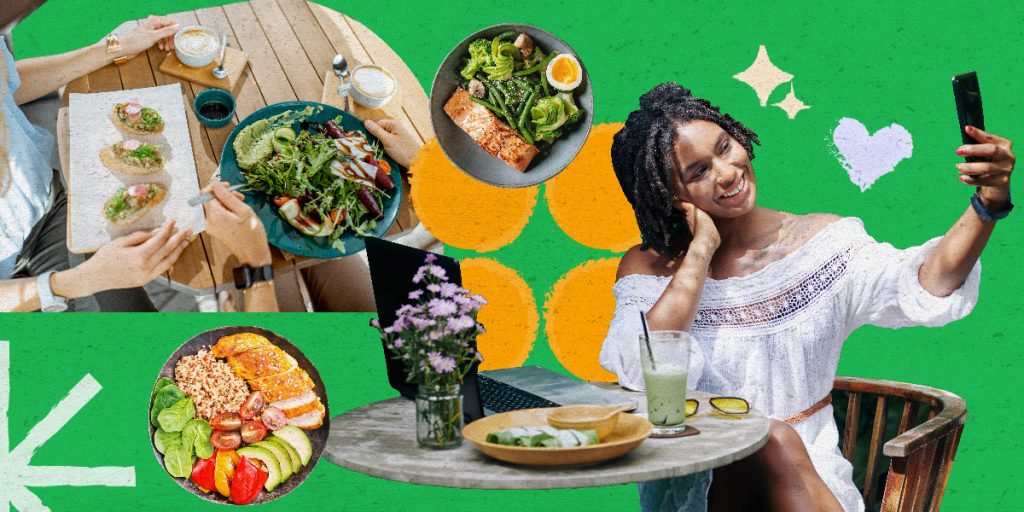
The recent cultural movement surrounding fitness and health is showing no signs of slowing down. But it’s no longer just about working out. Nutrition and diet now play an equally important role, and that’s where ingredients start to matter more. Consumers are now more appreciative of transparency to make cleaner choices that align with their lifestyle.
This typically shows up in the form of calorie counts in menus, visible ingredient listing and allergen disclosures.
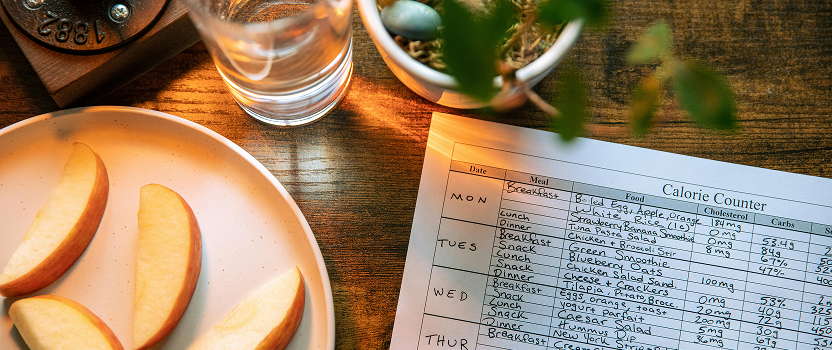
For restaurant operators, this also signals a shift toward healthier, more intentional menus. When done right, it also can reduce decision fatigue for diners, making it easier for them to choose with confidence and feel good about what they order.
Trends in Flavors
Popular Regional Cuisines
According to a recent OpenTable survey, Thai-influenced restaurants are leading the way, accounting for around 76% of reservation growth. Australian cuisine follows with over 35% growth, with Middle Eastern concepts close behind at roughly 34%.
What’s clear is that diners are gravitating toward regional cuisines that feel distinctive, familiar, and rooted in a clear point of view.
Flavor of the Year: Black Currant
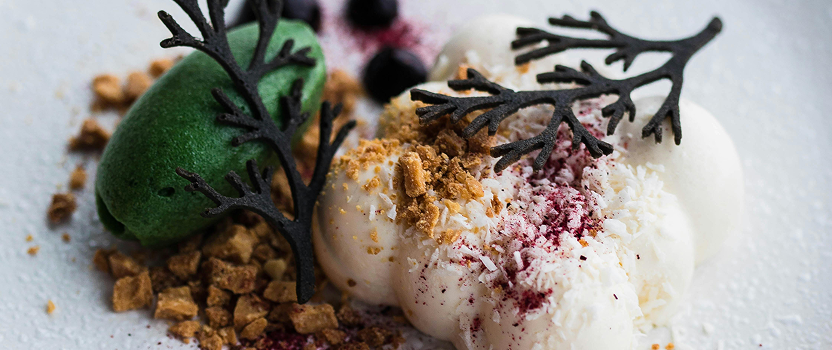
Every year, McCormick names a Flavor of the Year. After 2025’s tropical moment with Aji Amarillo, they’re leaning into something more familiar and comforting with Black Currant. Rich, slightly sweet, and versatile, Black Currant is being heralded as the “it” berry of the year for how easily it can be incorporated in drinks, desserts, and even savory dishes.
It also fits neatly into McCormick’s broader flavor themes for the year, like Attainable Opulence, Simple to Spectacular, and Sauce from Somewhere — all pointing toward elevated flavors that still feel approachable.
Hojicha over Matcha
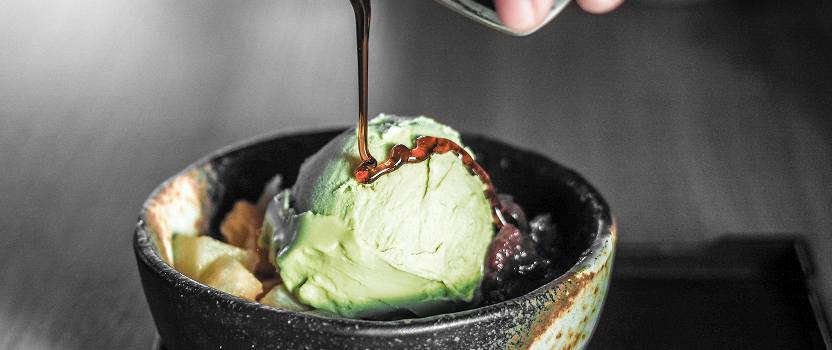
Matcha has dominated the scene for years, and it’s finally making way for the next tea trend of the season: Hojicha. The difference is subtle but important. While matcha is made from young tea leaves, hojicha comes from mature leaves that are roasted, giving it a deeper, more mellow profile.
Tying back to the ongoing health and wellness craze, hojicha also contains less caffeine than matcha. This is slowly making it a rising favorite among tea lovers, with hojicha showing up more often in both drinks and desserts.
So what does this mean for restaurant operators? While trends typically come and go, they can be very useful as signals that will determine where the industry is going. For 2026, it seems as though diner expectations are shifting from obsession over personalization to be more about socialization and exploration. New flavors, but deeply specific. Same dishes, but modernized and revamped. Better deals, same quality of taste and experience.
Navigating these trends can take a toll on your operations and profits, but having a reliable all-in-one cloud POS can keep you stable in this new season of expansion and beginnings. That’s where Sapaad comes in. With features available and ready to activate in one click, you can easily experiment and see how you can scale your business without having to deal with the headache of restacking your current restaurant tech.
Armie Miraflor
AuthorFood and business writer obsessed with the intersection of restaurant technology, brand strategy, and great customer experiences.


Related Blog Posts













Get the latest news and updates
Submit your email address to join our email list.