






























The 3 levels of control every modern restaurant needs
 Armie Miraflor
Restaurant tools and technology are barely discussed when we talk about restaurant costs. We often default to food wastage, operational gaps, and the like. But there is a significant cost that comes from technology that doesn’t work as seamlessly as it should, especially when it fails to match how you run your restaurant or how you plan to grow it.
Lack of control and visibility, combined with the financial strain of subscribing to multiple platforms and paying extra just to connect them, is a surefire way to eat into your profits without you even noticing. Over time, this fragmented setup makes it harder to stay efficient, make informed decisions, and scale with confidence.
Here are the three levels of control every modern restaurant should aim for, and how a unified commerce platform sets you up for success.

Strategic Control: Making better decisions
One of the things we often hear restaurant operators say is how, because of ever-changing customer demands and preferences, along with the volatility of ingredient supply, making decisions that lead to business growth can be difficult, and sometimes feel like they’re simply shooting in the dark.
Having strategic control requires you to see the entirety of the business clearly and act before small issues compound into more costly ones. But if you’re operating with a fragmented tech stack, this level of perspective can take more than a day, as you’ll have to collate information across sales, inventory, and staff operations before arriving at a conclusion.
Having a unified tech stack allows for better control by providing a single source of truth for your decisions. When your channels, guests, stock, and sales all live in one system, decisions stop being guesses based on intuition and instead become a more strategic approach to driving growth.
Operational Control: Providing better service
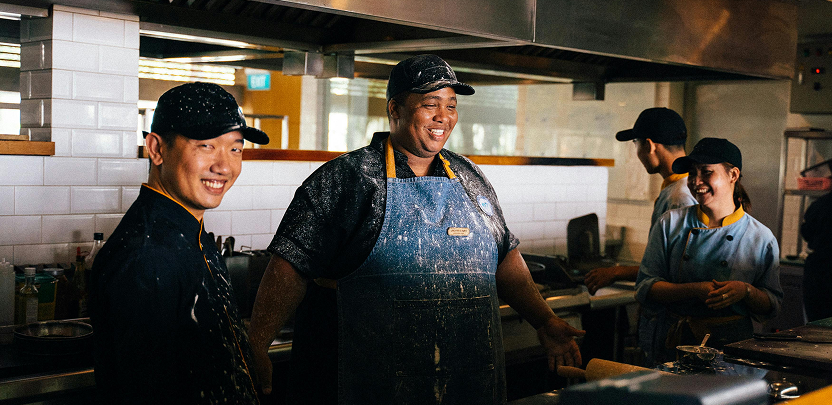
There are multiple things happening all at once during service, and making sure they’re fully synced is key not only to providing a great customer experience, but also to avoiding staff burnout. When a customer orders through one channel, it shouldn’t disrupt the rest of your system.
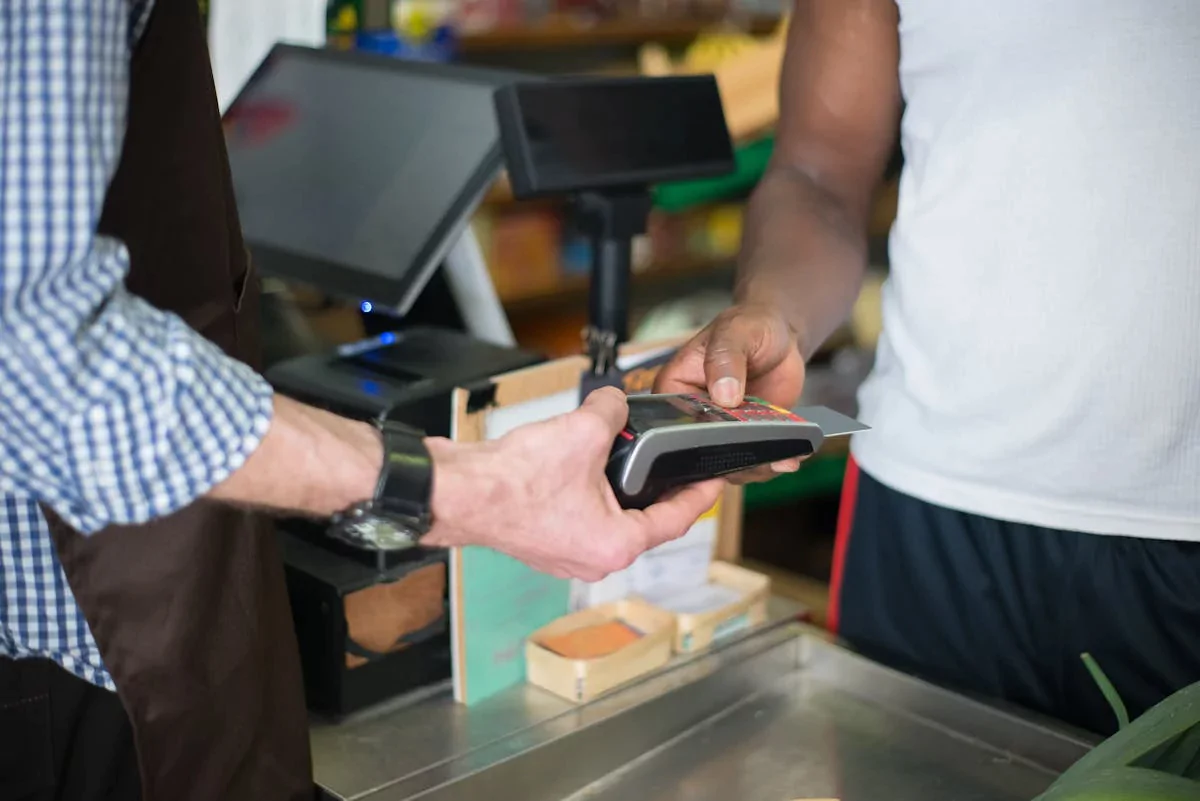
Having operational control comes down to consistency at service speed. It means being able to take online orders from platforms like Talabat, Deliveroo, and Zomato, while also serving customers at your brick-and-mortar location. However, if your staff is constantly switching between different screens to process orders from multiple channels, it can lead to confusion and even mix-ups, resulting in a poor customer experience.
A unified tech stack resolves this by centralizing all your orders and routing them directly into your POS and KDS without manual re-entry. Better service starts when every order, every station, and every channel is working from the same system.
Financial Control: Gaining better profits
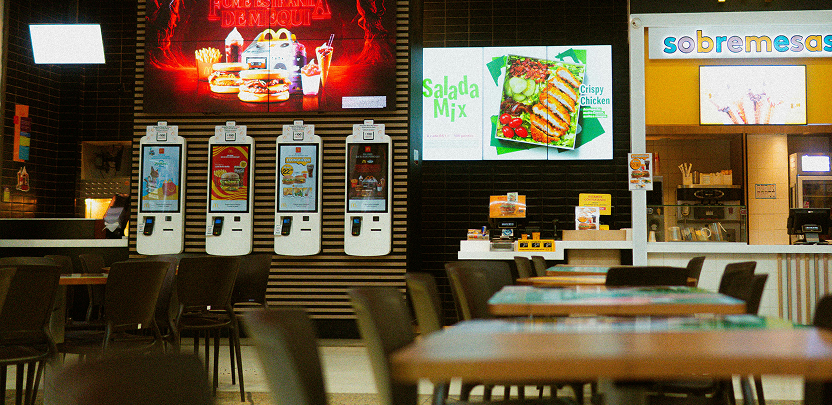
When you have a fragmented stack, where multiple platforms are working together, you’re often costing your restaurant more than you should in two ways: first, through the multiple subscriptions needed to keep them running, and second, through the additional fees required to connect these systems. A fragmented restaurant tech stack can easily cost $350 to $600+ per month per location, before hardware, onboarding, and the operational cost of managing multiple vendors.
But it doesn’t just hurt your cost savings. It also makes it harder to build effective promotions, since you have to look across different streams of revenue to understand customer preferences and behavior. Pushing discounts that don’t work can negatively impact your potential profit. Having full visibility into how your money flows, from the POS to the stockroom to the kitchen, helps you spot gaps that might be costing you.
A unified tech stack, with seamless integrations to trusted accounting partners like QuickBooks, resolves this by reducing the need for multiple subscriptions and support teams. Instead of juggling different systems, you rely on a single platform that manages everything. Profit becomes easier to protect when orders, discounts, stock, payments, and reporting all move together.
Choose a Unified Commerce Platform to Power Your Restaurant
The true cost of a fragmented stack is not just the monthly software bill. It is the loss of control that comes with disconnected systems, duplicated work, and incomplete visibility. Sapaad was built to resolve this invisible profit and operational leak by centralizing all your restaurant tech and tools, from the POS to the KDS, to the Waiter app, Self-Ordering Kiosk, and more, into one powerful platform.
This allows you to see everything clearly and apply changes across locations quickly, while keeping all your operations in sync in real time.
Armie Miraflor
AuthorFood and business writer obsessed with the intersection of restaurant technology, brand strategy, and great customer experiences.


Related Blog Posts













Get the latest news and updates
Submit your email address to join our email list.