



















Ordering channels to prioritize in 2026
 Armie Miraflor
Restaurateurs are navigating a new reality—one where customer preferences are evolving rapidly, commissions continue to rise, and supply chains are becoming more complex. At first glance, it may not seem like the ideal environment to think about scaling.
But in 2026, scaling no longer looks the way it used to.
It’s no longer defined solely by opening new locations. Increasingly, it comes from expanding into new ordering channels. Each new channel opens the door to new customers, new revenue streams, and new ways to grow the business—without the overhead of physical expansion.
So for 2026, here are the ordering channels you should prioritize, depending on where your business stands today.

Direct Digital Ordering (Your Owned Channel)
Owning a digital channel means you get a clearer view of the value per order, while also keeping your margins since you don’t have to account for platform commissions.
It also gives you more freedom to explore how you can nurture your customer relationships. You can strengthen your loyalty programs, offer more personalized promotions, and create better experiences overall—especially since you own your customer data.
Think of this channel as your long-term investment. The earlier you build it, the more valuable it becomes over time, as your understanding of your customers grows and your ability to drive repeat orders improves.
This is exactly why it should be your number one priority in 2026.
Channels:
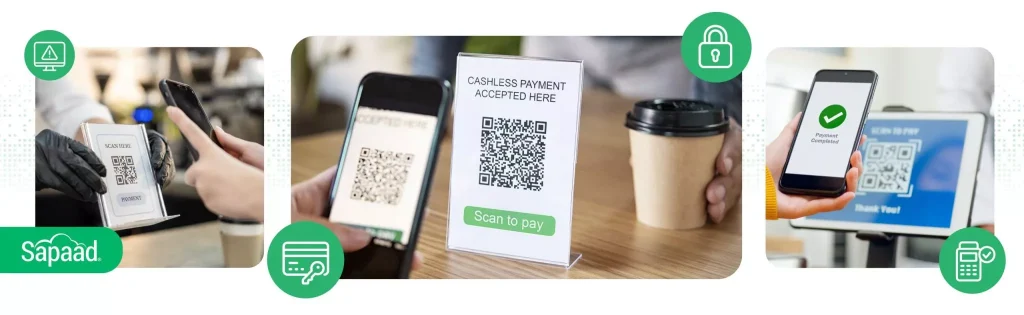
Your own website· App · QR · Loyalty-driven
Aggregators (Third-party ordering streams)
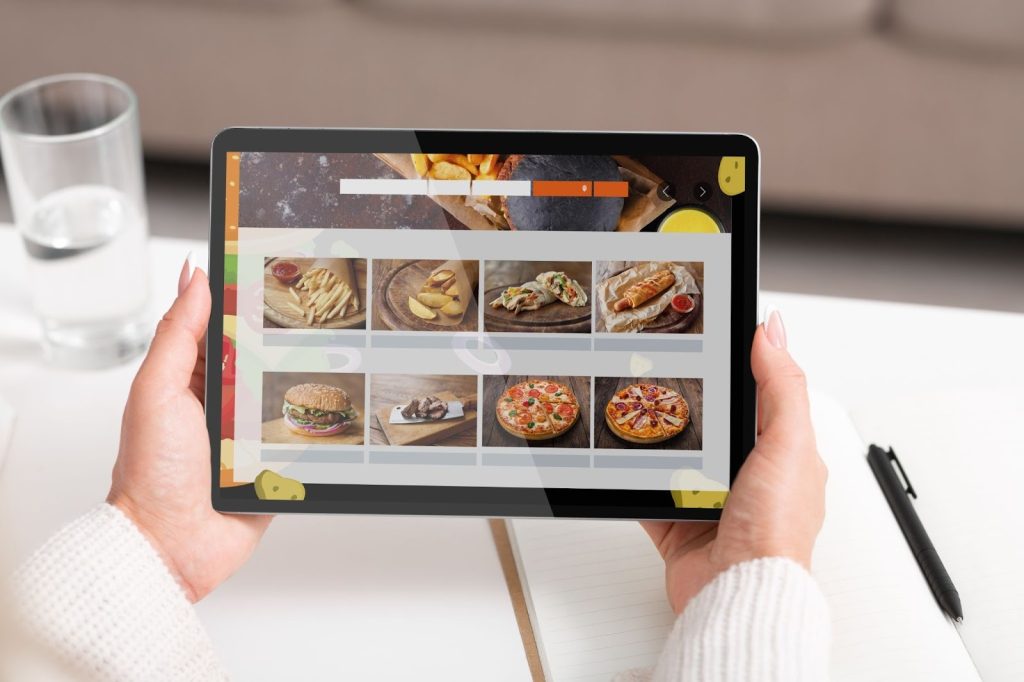
While aggregators remain one of the most effective ways to reach new customers and increase your restaurant’s visibility, they are ultimately a paid acquisition channel. This is what places them in the #2 spot.
Discoverability is where aggregators deliver the most value. However, commissions that typically range from 15–30% per order can significantly impact margins if not carefully managed.
This channel is particularly effective for new restaurants, virtual brands, or those with limited dine-in capacity looking to expand their reach. The key is to position aggregators as a customer acquisition channel rather than the core of your business. As a guideline, aggregator orders should ideally account for no more than 80% of your total.
Channels:
GrabFood · Talabah · Zomato · Deliveroo

On-Premise Digital Ordering
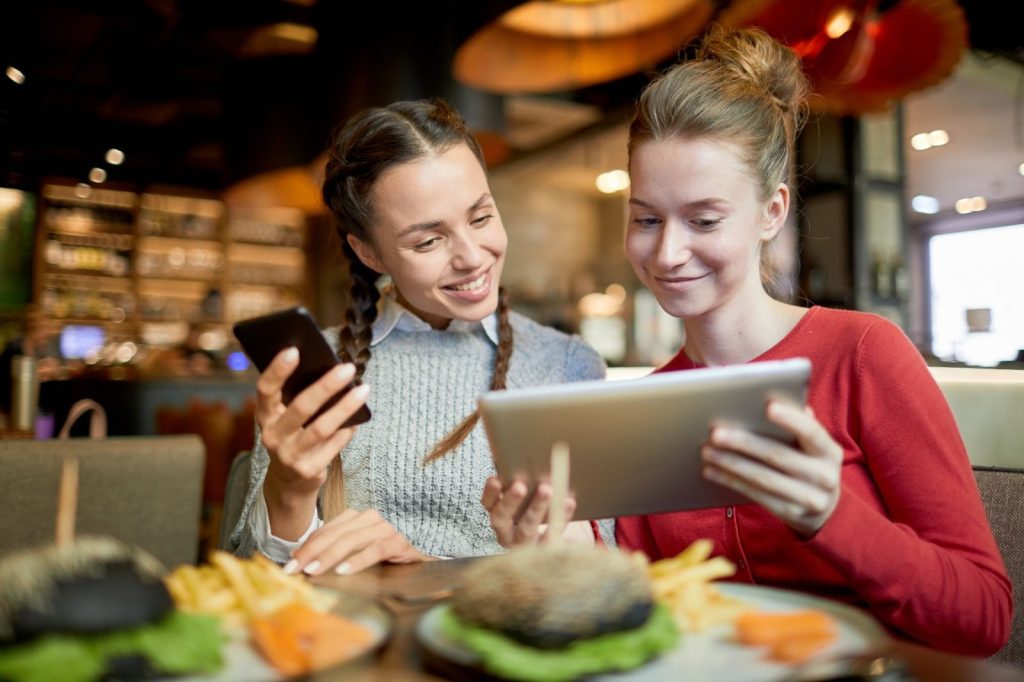
On-premise digital ordering remains one of the most underleveraged channels in restaurants today, largely because of how subtle it is as a driver of growth. But investing in this technology allows you to serve more covers, increase spend per cover, and collect valuable customer data—all without adding a single seat or staff member.
Compared to traditional ordering, which is more staff-heavy and prone to errors, on-premise digital ordering reduces the burden on staff and helps minimize burnout. At the same time, it enables you to capture customer data and bring guests into your loyalty ecosystem, allowing you to build relationships that are more tailored to your brand.
When this data feeds into the same customer profile as your delivery orders, you begin to see a more complete picture of who your best customers are, and you can market to them with far greater precision.
Channels:
QR tables · Kiosks · Table ordering
Hybrid Takeaway and Pickup
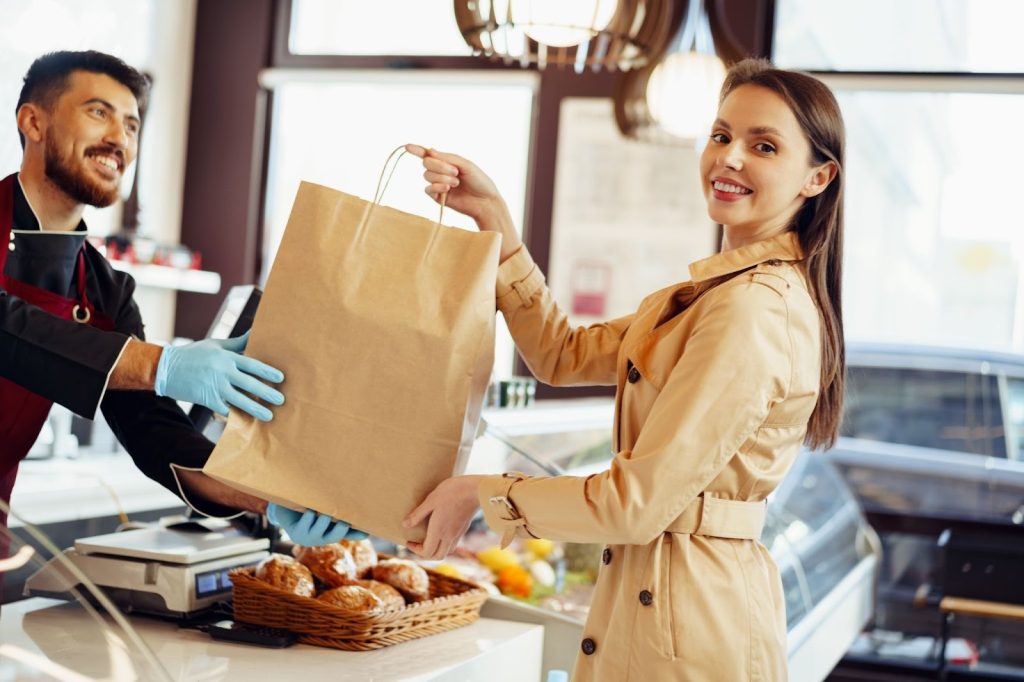
Hybrid takeaway and pickup refers to when customers pre-order their meals and, instead of having them delivered, choose to pick them up from your physical location. This can be more favorable for customers due to the reduced costs, with no delivery fees, lower platform charges, and minimal packaging surcharges.
For restaurant s, this creates a more predictable kitchen workflow. Orders can be planned and prepared more efficiently, making it easier to manage both workload and inventory.
While this channel may be more limited in terms of geography and reach, it still offers both customers and restaurants a practical middle ground—combining the convenience of digital ordering with the efficiency of in-store fulfillment.
Channels:
Click-and-collect · Scheduled pickup
Ultimately, while being omnichannel is ideal, the ability to prioritize channels that offer greater control, stronger margins, and deeper customer relationships is what drives sustainable growth.
The restaurants that scale successfully will be those that build their ecosystem intentionally—starting with owned channels and layering on others as needed.
To execute this effectively, the right technology becomes essential, enabling operators to manage, optimize, and grow within this evolving landscape. This is precisely what we continue to build and refine at Sapaad.
Armie Miraflor
AuthorFood and business writer obsessed with the intersection of restaurant technology, brand strategy, and great customer experiences.


Related Blog Posts









Get the latest news and updates
Submit your email address to join our email list.