









































10 Best Benefits of Having Your Own Restaurant Ecommerce Website
 Sam Sendhil
The rapid digitalization of the restaurant industry has caused a massive shift in the way people want to order their food. Nowadays, restaurant ecommerce websites that incorporate online ordering and delivery are the go-to way for customers to enjoy their favorite meals from the comfort of their homes.
Restaurant Ecommerce is projected to become a $474.30 billion industry with more than 2 billion predicted total food app users by 2026. That’s an average annual revenue growth rate of about 8.38% for the next four years.
If you want to make the most of the online boom, you should definitely consider using Restaurant Ecommerce websites with online ordering capabilities. Whether you do it through your own platform or through third-party food apps, this type of ecommerce can open up many opportunities for both you and your customers.
Here are 10 benefits of Restaurant Ecommerce websites that can take your business to the next level.
1. Fast and Convenient Ordering
The internet is now more accessible than ever, as smartphones and tablets become a part of everyone’s daily lives. Nowadays, people are more likely to have an internet connection than a landline phone.
Through a comprehensive restaurant ecommerce website, customers can make use of their phones to access well-designed applications and websites that can make food ordering faster, more convenient, and more interactive.
While phone-in orders still have their place, scrolling through high-resolution images of different items on an online menu has become more appealing to many mobile users. It eliminates order-taking mistakes and speeds up the time it takes for an order to be received by the kitchen.
Waiting for a waiter to take their order, or queuing up at the drive-thru can become frustrating if it takes too long. Restaurant online ordering eliminates those steps and makes the process more streamlined.

2. Efficient Order Management
Restaurant online ordering systems take full advantage of several restaurant technologies to make the order fulfillment process more efficient. While traditional ordering relies heavily on staff coordination, online orders can be managed efficiently through automated software.
Good restaurant management systems are capable of relaying orders to multiple channels. Once a customer places their order through an app, several things happen automatically and simultaneously to minimize downtime between orders.
Orders are shown on kitchen display systems so that staff can prepare them as quickly as possible. During this time, sales are recorded, invoices are printed, food labels are being placed, and delivery drivers are notified to pick up the order.
These processes happen simultaneously, saving both restaurants and customers a lot of valuable time. With these technologies, orders are far easier to manage, oversee, and control through online ordering.
3. Low-Cost Marketing
Traditionally, restaurants spent the bulk of their marketing and promotions budget on printed or manufactured materials to advertise themselves.
Restaurant ecommerce websites benefits mostly from low-cost online marketing. Tech companies and social media sites are now integrating restaurant online ordering systems into their platforms, making it easier for customers to go straight from an online page to a restaurant checkout.
Facebook, Instagram, and Twitter can show restaurant ads to a wide user base for a fee, while Google and Apple allow customers to order directly from their voice assistants in some parts of the world.
Online campaigns and advertisements can be launched more quickly, since images, ads, and banners can be uploaded quickly from anywhere, and at a regular frequency. You can also pre-schedule your releases, target different audiences, and still spend a lot less than what it costs to tap traditional media.

4. Live Business Statistics and Insights
Online orders are automatically recorded through the restaurant’s point of sale system (POS). As more and more data is gathered through sales, restaurant management systems can generate live reports and insights that can help business owners improve their restaurant’s performance.
These live analytics can help managers determine their best-selling items, most popular ordering channels, kitchen performance, and more. Having as much information on your customer base as possible is key to making good business decisions.
Through restaurant ecommerce websites, restaurant owners can gather more relevant information easily and make informed decisions to keep their business ahead of the competition.
5. Quick Menu Optimization Options
With the power of analytics, statistics, and advertising, restaurants gain valuable information on their customer base and adjust their menu strategy. One way restaurants can make full use of their online ordering systems is by applying menu engineering based on their findings.
A restaurant’s menu goes beyond just a list of its products; it is the restaurant’s most powerful advertising tool. How you present your menu speaks volumes about what your restaurant values and what it is capable of.
Through online ordering channels, restaurants can easily apply changes to their menu without having to spend on printed materials. This is especially important for seasonal items and special promotions, where limited-time offers can bring in new customers quickly.
6. Access to Affordable Delivery Systems
Not all restaurants can afford to hire their own delivery staff. Even if they do, high-volume orders can significantly cause bottlenecks in the order fulfillment process.
Through restaurant ecommerce websites, managers can list their restaurants on multiple third-party food apps to gain access to fast, reliable, and affordable delivery services. Restaurant online delivery can open up a whole new revenue stream for their business.
Third-party food apps can connect restaurants to registered delivery drivers that can transport orders to customers for a fee. This benefits new restaurants that can’t afford their own delivery staff yet and bolsters the delivery capacity of established restaurants.

7. Higher Brand Visibility
Offering online ordering gives your restaurant significantly higher brand visibility. While street signs and posters can get you noticed around your street, online ordering channels can get your restaurant noticed from miles away.
Food apps are built to cover wide geographic areas, and some services offer long-distance delivery. By enlisting your restaurant on a food app, you gain access to the food app’s customer base.
List your restaurant on multiple food apps, and you’re talking about some serious reach. A report by SensorTower on the 2021 State of Food Delivery Apps shows rapid food delivery app adoption in Western markets, with the year seeing a 29% year-on-year adoption increase in the US market alone.
In short, using restaurant ecommerce websites can significantly increase your restaurant’s reach and brand visibility. This can in turn lead to more sales and higher profits.
8. Longer Customer Engagement
Not only is the number of food app users increasing, but the time spent on each app is also increasing as well. In the same report by SensorTower, European users spent about 51% more time on the food app in 2021 than they did in 2020.
Users are, on average, increasingly spending more time browsing online menus than they did before. This can be beneficial for both the customer and the restaurant since it gives users more time to order what they want.
Longer engagement can lead to higher sales. The longer a customer spends browsing the menu, the more likely it is they come across an item they want to try out. Since there’s also no human interaction, placing large orders is also far easier to do compared to talking to a waiter.

9. Contactless Ordering and Payments
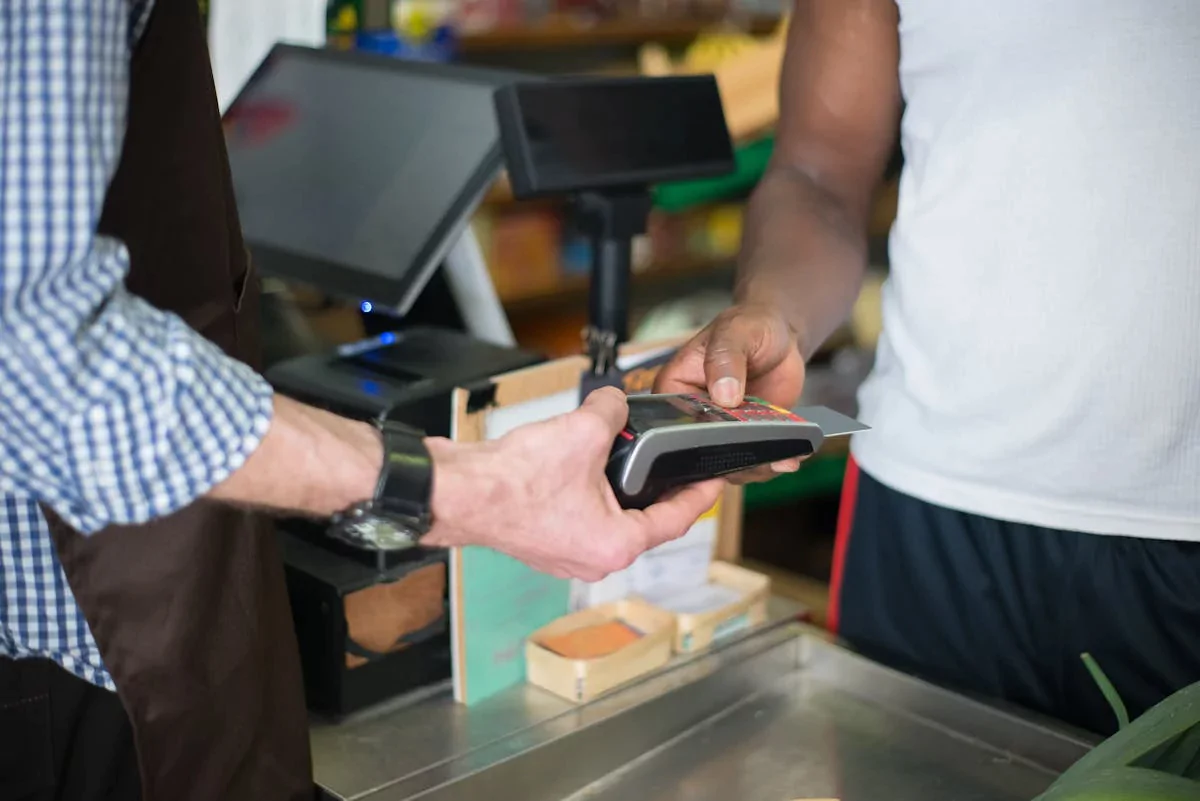
Restaurant Ecommerce websites give customers and restaurants access to secure and reliable payment gateways. Since orders are prepaid digitally, restaurants can offer contactless delivery options for the safety of both the customers and the delivery drivers.
If customers want to order for take-out or dine-in, they can still utilize contactless online ordering and contactless payment solutions to minimize interaction with restaurant staff.
Users are now more health-conscious than ever after the 2019 COVID-19 pandemic. Giving users the option of contactless ordering can give customers peace of mind and make their ordering experience more satisfying.
10. Increased Customer Follow-through
Online ordering is mainly a prepaid service. Customers that order online are likely to pay for their food in advance rather than paying upon delivery. This gives restaurants more security given that customers are more likely to follow through with their order compared to other ordering channels.
In the past, telephone orders could be abandoned or forgotten by customers. Since no money was exchanged in these cases, unfulfilled orders would become a costly waste for restaurants. Through online ordering, digital payments can help ensure that restaurants will earn from their transaction.
Future-proof Your Business With Restaurant Ecommerce Websites
Restaurant Ecommerce websites make full use of different restaurant technologies to optimize the order fulfillment process. From POS integrations to delivery management systems, a lot of new restaurant integrations are catered toward restaurant online ordering.
Customers are investing in their dine-anywhere experience, and both tech and software companies are taking notice. Cloud technology solutions and brand-owned ordering platforms are just some ways companies use to speed up or improve customer experience.
Given the increasing reliance of restaurants on online ordering and delivery, you can expect more innovations to cater to polishing online ordering for both customers and restaurant owners.
Whether you opt for third-party food app integration or in-house ordering platforms, utilizing online ordering sooner rather than later can make it easier for your business to harness current restaurant technology innovations and increase your restaurant’s resilience.
Sam Sendhil
Author

Related Blog Posts















Get the latest news and updates
Submit your email address to join our email list.