








































Does Your Restaurant Really Need Third-Party Delivery Service?
 Nickie Desiderio
Our ever-growing reliance on technology has encouraged many businesses to explore digital business models. Restaurants adapted to this trend by opening online ordering channels and expanding their delivery services. Today, almost no one calls restaurants to order delivery anymore: they just have to open an app and order and pay from their phones.
But not all restaurants can develop their own online ordering apps and manage a fleet of riders, which is why many partner with third-party food delivery companies instead. With over 120 million users, food delivery apps help open new revenue channels for restaurants. Plus, they gave lifelines to restaurants when the COVID-19 pandemic forbade in-house dining.
However, third-party delivery services have costs. They charge commission that restaurants recoup by slightly marking up their prices on delivery apps. But is this really helpful especially if your restaurant is just starting to grow?
Why a Third-Party Delivery Service is Necessary
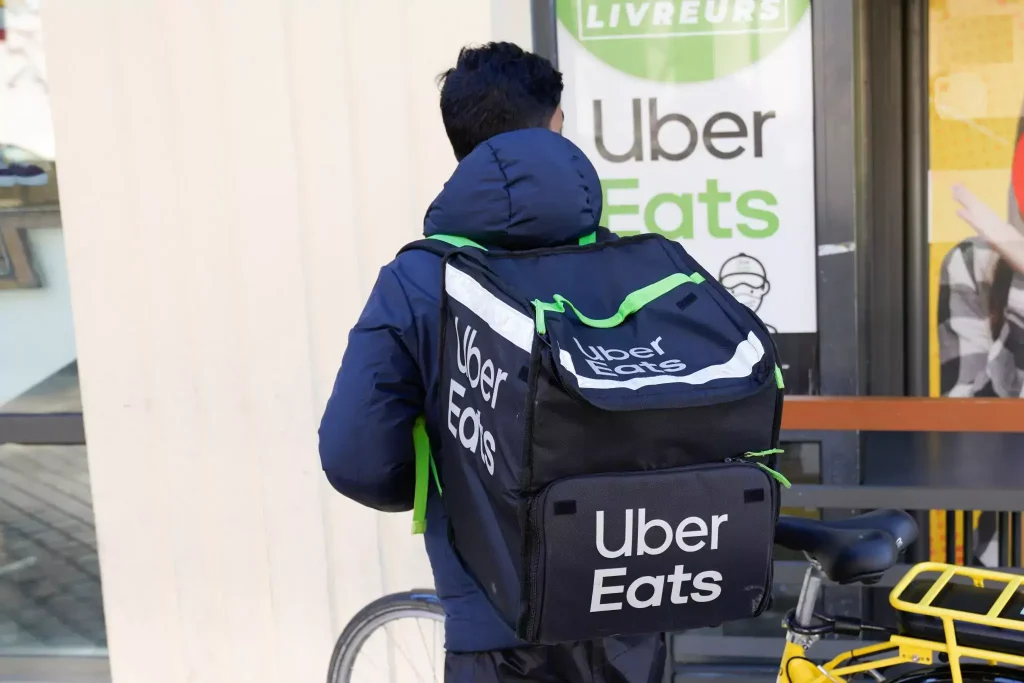
People now use the Internet to buy their necessities. The pandemic amplified this behavior and pushed businesses to embrace technology. By opening online ordering channels, you can help customers stay safe and convenient when they want to order your dishes. You can create your own app and have customers order straight from your restaurant, but partnering with third-party apps can simplify your online ordering process more.
That’s because apps like UberEats, Talabat, and Foodpanda present different restaurant options in one app. On the other hand, if all restaurants have their own apps, customers would have to download them all and switch through the different apps to peruse their options.
Besides, customers already expect restaurants to be available on third-party apps, so deviating from this expectation may only jeopardize your sales. However, a study has found that 63% of customers would rather order delivery directly from a restaurant. Does that mean you should spend your resources on your own rider fleet?
If the volume of your delivery orders is consistently high, then yes. But if it’s the opposite, you may end up exhausting your income on inefficient labor costs and expensive motorbike maintenance costs.
Thankfully, it turns out survey responses don’t necessarily match diners’ real-life actions. Grubhub and UberEats have seen significant increases in sales and users during the pandemic, proving that people patronize third-party delivery apps even if they initially said otherwise.
Aside from giving your access to additional revenue streams, third-party services can be more sustainable if your delivery orders are unpredictable. Even if you have to pay fees, they’d be less expensive than wages and motorbike maintenance. The other downside is that third-party delivery riders don’t represent your brand, so you’d have little control over their protocols and work ethic.
What About Hybrid Delivery Services?
If your restaurant has a high volume of deliveries, managing your own fleet isn’t your only option. You can opt for a hybrid delivery service, in which you can employ your own riders and partner with a third-party food delivery app at the same time.

But won’t that be costlier? It depends on different factors. Your own app and rider fleet can maximize your bottom line from delivery sales, but your revenue channels may still be limited because you can only manage a few riders, and they may not be enough to deliver, say, 100 orders in a few hours. Plus, if one of them falls sick, the deliveries you can manage in a day will be even fewer.
On the other hand, with third-party services, you can partner with more than one food aggregator or delivery app at the same time. As such, you can open multiple online ordering revenue channels and take advantage of a bigger fleet. That eliminates the problem an indisposed rider from your own fleet can cause. The catch is, aside from commissions, you also need to spend on extra devices to manage orders from each delivery app, which can be a hassle.
Thankfully, you can subscribe to a cloud POS plan that allows you to integrate third-party apps into your POS. In turn, you can manage orders from all app channels in one platform and device. This efficiency increases your restaurant’s scalability. You can expand your third-party services, develop your own online ordering app, or build a second outlet simply by upgrading your subscription.
The Verdict: Are Third-Party Partnerships Worth it?
Given all the perks, partnering with third-party apps seems like the innovation your restaurant needs to meet its KPIs. But are the apps really the gems the industry makes them out to be?
With over 120 million users, the third-party delivery app market is oversaturated. This toughens the competition, forcing you to increase your marketing expenditure to attract online orders. While marketing expenditures are investments, it doesn’t necessarily mean they’ll generate returns. You need digital marketing strategies that will increase conversions to realize an ROI.
So before choosing a third-party delivery partner, see if they are the right fit for your restaurant. First and foremost, you should be able to integrate their app into your POS system. Seamless integration can save you lots of money and time when setting up your third-party online ordering system. Pay close attention to the app’s terms and conditions as well to be aware when their prices could change. Keep in mind that customers will also bear the price increase of third-party apps, and if they don’t want to pay extra surcharges, you may lose their business.
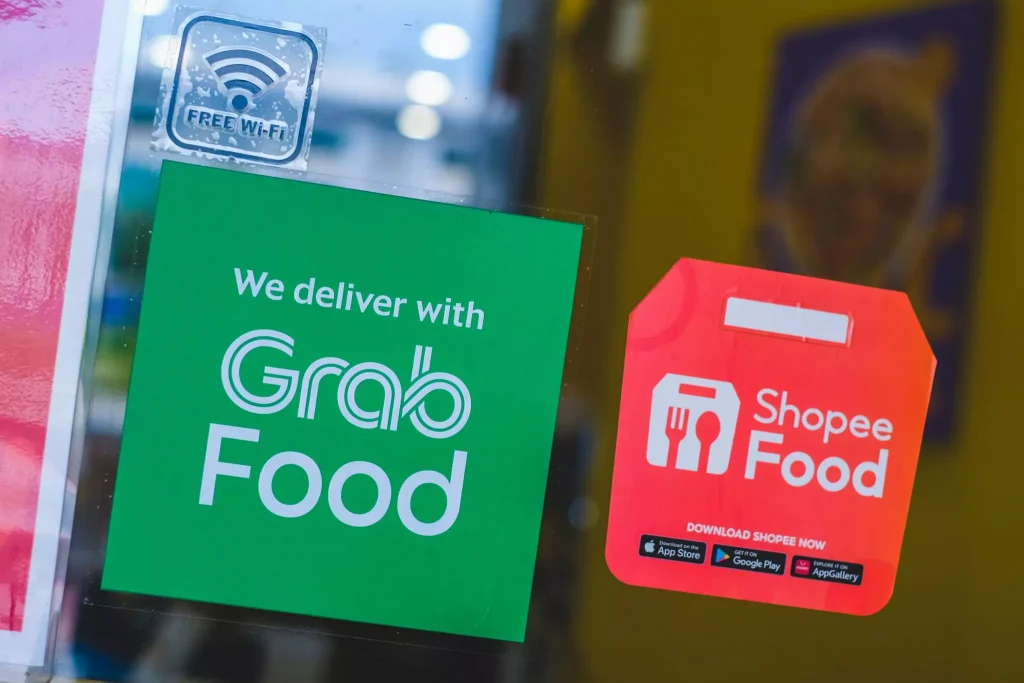
On the bright side, third-party delivery apps are known for significantly spending on customer acquisition, so you’re guaranteed to always have new customers as long as you’re consistent with marketing. Still, a high customer retention rate is an indication of success. You can use a Customer Relationship Management (CRM) software to save customer insights and send them SMS marketing campaigns. In addition, optimize your digital menus to provide a user-friendly experience, no matter the channel your customers choose. You can also launch online promos and vouchers from time to time to attract repeat business. If you have a loyalty program, make customers from your online store or third-party apps eligible for earnings, too, now that enjoying restaurant food at home is the new normal.
The bottom line is, your restaurant can definitely benefit from third-party or hybrid services, but neither is a shortcut to success. It may give you instant access to expert-level delivery services and online visibility, but at the end of the day, it’s delicious quality meals worth your customers’ money that will give your revenue the ultimate boost.
Nickie Desiderio
Author

Related Blog Posts













Get the latest news and updates
Submit your email address to join our email list.