



























The Different Costs of Running a Cloud Kitchen
 Ian Galero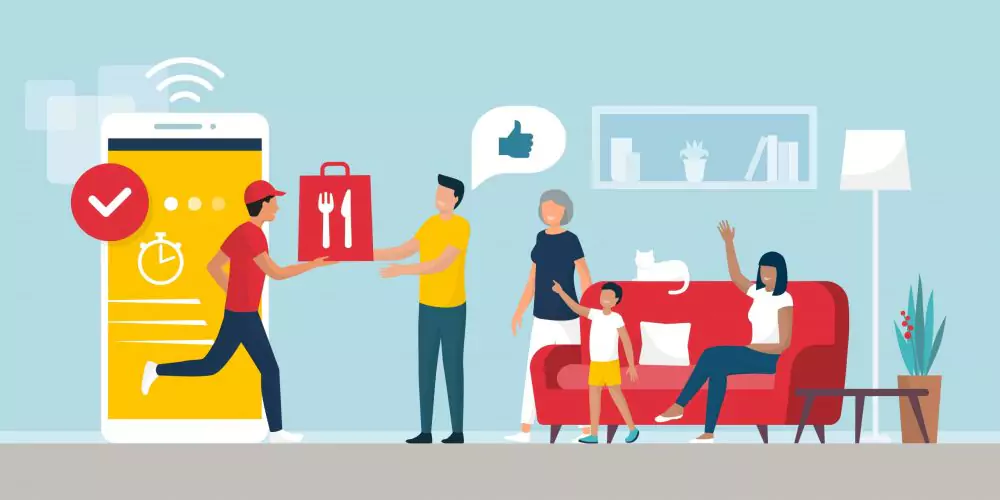
If you’re an investor looking to enter the F&B industry, chances are you have considered starting a cloud kitchen business.
Cloud kitchens (also known as ghost kitchens, dark kitchens, or digital restaurants) are attractive to new investors for several reasons. They have lower barriers to entry, are easier to scale compared to traditional restaurants, and can become very profitable.
They’re also viable alternatives to traditional brick-and-mortar restaurants that capitalize on the growing online food ordering and delivery market – or a valuable addition to your existing restaurant business, especially if your brick-and-mortar is doing well.
However, a lot of cloud kitchens may operate on thin margins and become costly if not managed properly. If you want to run a cloud kitchen, it’s important to learn the ins and outs of running a digital restaurant.
What are Cloud Kitchens?
Cloud kitchens are online restaurants that do not have a physical location and serve mainly through deliveries and pickups. They do not have a place where customers can dine in, they do not have waiting staff, and they often do not have a storefront.
This setup allows cloud kitchens to cut down costs on rent, wages for front-of-house staff, and other typical cost items that traditional restaurants need like furniture, utensils, glassware, and physical menus.
If a customer wants to order from a cloud kitchen, they can do so through an online ordering platform, usually through a restaurant’s website or a third-party food aggregator like GrabFood and Foodpanda. Cloud kitchens prepare and package a meal as fast as possible and then move to other orders as they arrive.
There is more than one type of cloud kitchen business model – but all have the potential to become profitable and scalable.
Costs Involved with Cloud Kitchens
1. Typical Restaurant Costs
Just like any other restaurant, cloud kitchens need licenses, equipment, cooking and cleaning staff, and physical space to operate. A cloud kitchen’s total costs ultimately depend on what kind of equipment you need, where you are located, and other factors like average wages and staff work hours.
Since cloud kitchens rely on delivery, owners can save money by setting their business up in lower rent areas and dispatch orders from there. Alternatively, they can cut down costs by operating in smaller spaces and in turn lower their rent.
Other than that, cloud kitchens need to spend on food packaging for dispatch, ingredients, and utilities. To take total advantage of online food ordering and delivery services, cloud kitchens also need to invest in a proper Internet connection and devise an efficient online order management system.
In short, cloud kitchens still need space, utilities, and staff to work but spend extra on Internet utilities, software, and devices to maximize the number of orders they can receive and process.
2. Fully-integrated Restaurant POS System

At the heart of a cloud kitchen’s operations is its point of sale (POS) system. A POS system consists of hardware and software that work in tandem to handle a business’ workflow and transactions.
Leading POS systems nowadays are equipped with features that aim to give restaurant owners the ability to oversee major aspects of their business. Important restaurant operations from inventory to delivery can be managed through the restaurant’s POS, a central system that ties in all other features.
Today’s most advanced and sophisticated POS systems can handle multiple restaurants’ operational requirements. Here are some examples:
Customer relationship management
Bookkeeping and accounting
Secure payments
Third-party food order management
Invoice, receipt, and package printing and labeling
Live analytics and reporting on sales and order platforms
Loyalty program integration
Delivery tracking.
Of course, not all POS systems are created equal. Some POS software only work on proprietary (and often expensive) hardware, while some solutions may not be good at integrating online orders or work with your preferred accounting software. This is why investing in a fully integrated and capable POS can streamline key processes and increase chances of success for any cloud kitchen.
3. Online Marketing and Advertising

As delivery and online-focused businesses, cloud kitchens have somewhat more limited ways to market themselves compared to traditional restaurants. Brick-and-mortar stores can attract customers with well-designed storefronts, restaurant features on mainstream media, and social media promotions.
Nonetheless, marketing your business is equally essential, whether it’s through social media, influencer endorsements, Facebook ads, or through one’s food delivery partners.
Cloud kitchens should capitalize on the finished look of their most popular orders, the safety and convenience of transport packaging, and the ultimate enjoyment of dining at home.
4. Custom Online Ordering Platforms

Tying up with other food aggregators is a great way to get your restaurant noticed by more people. However, you have to weigh the benefits of riding on their branding vs. the commission charges you incur from orders placed through their app or website. That’s revenue that could have gone straight to you.
Once your cloud kitchen gains traction, successful cloud kitchens may want to invest in creating their own online ordering platform and interact directly with customers.
Having your own platform also gives you more flexibility over how you want to customize and advertise your branding.
Instead of having to scroll through tons of other restaurants on a third-party delivery app, you can create a direct connection with your customers through your own website’s ordering platform.
The right POS system can also help you set up your online store and social media ordering, link those platforms directly to your POS, and streamline the overall experience.
The Future of Cloud Kitchens
Cloud kitchens are still relatively new, but they are here to stay and significant part of the future of the F&B industry thanks to its low-cost business models.
The demand for restaurant order and delivery will only continue to grow as people get busier and hungrier. With cloud kitchens, that demand can be met effectively and all at the customer’s convenience.
A lot of changes are happening at a rapid pace. Restaurants are continuously adopting new software and hardware to optimize their workflow, while tech companies are continuing to innovate new products that could revolutionize how restaurants store, prepare, package, and deliver their meals.
As technology evolves, so will cloud kitchens. How we order and deliver today may not be the same way tomorrow. If you want a future-proof restaurant, a cloud kitchen business model may be the way to go.
Ian Galero
Author

Related Blog Posts










Get the latest news and updates
Submit your email address to join our email list.