








































6 Ways to Use Social Media to Boost Your Restaurant Ecommerce Website
 Mirash T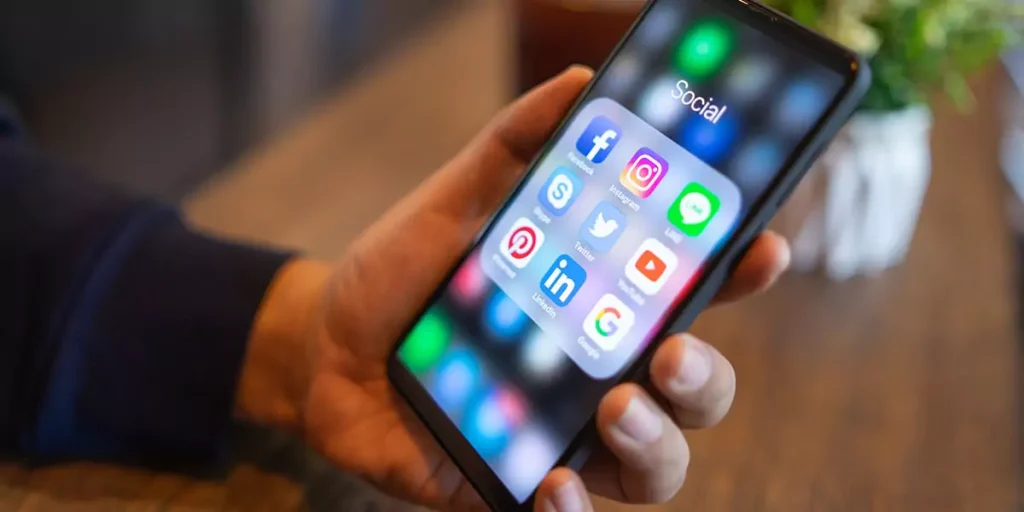
According to the latest statistics, 4.62 billion people around the world use social media. The pandemic has contributed to this upsurge, prompting us to be more online than ever. Restaurants also rode the tide by pivoting to off-premise dining services such as online ordering.
Mobile apps play a vital role in the success of restaurants’ off-premise services. Thanks to food aggregators like Zomato, UberEats, and Foodpanda, people can order online through from their favorite restaurants through a restaurant ecommerce website. Some restaurants also develop their own apps, allowing them to receive orders directly from their customers.
Setting up partnerships with third party aggregators has its costs. Food aggregators charge a fixed percentage from restaurants, who in turn offset these costs by marking up their food prices. And although brands could save on third party fees by developing their own ordering app, putting one’s own app out on the market requires investment capital in the thousands of dollars.
The cheaper alternative to both is social commerce, or put more simply, using social media to drive your online ordering efforts through your restaurant ecommerce website. It gives you a free (or relatively inexpensive) space to sell your offerings and access potential customers through top apps like Facebook, Instagram, TikTok, or WhatsApp. Below, we’ll show you how social commerce works, and the ways it can attract online ordering to your restaurant ecommerce website.
How Social Commerce Streamlines the Online Food Ordering Process in Your Restaurant Ecommerce Website

Many brands want customers to download an app for ordering online and invest significant effort in building it. Google’s Consumer Trends statistics suggest this strategy isn’t always effective. About 50 percent of smartphone users are more likely to use a business’s mobile site when browsing or shopping online because they don’t want to download an app.
So if developing an app is beyond your budget, and you want to increase revenues beyond your third party partnerships, why not just meet them halfway on social media apps they use every day?
With social commerce, your social media profiles on platforms such as Instagram, Facebook, TikTok, and WhatsApp can become your restaurant ecommerce websites. Tapping these apps for restaurant online ordering enables your customers to view your digital menu, select and pay for items, and schedule convenient deliveries — starting from a social media app of their choice.
You can connect your social media ordering process (or interface) to your POS system, so that all order types your restaurant receives — walk-in, dine-in, online, and phone — can be managed on one device. You save money on IT infrastructure and employ a smooth, sustainable, and streamlined process.
Ways to Drive Traffic to Your Restaurant Ecommerce Website Through Social Media
1. Highlight Menu Items With Stunning Images

Leverage what social media does best, which is eliciting strong emotions from viewers and followers. Highlight your menu items with stunning images to tease your audience and trigger feelings like hunger, excitement, urgency, and fear of missing out (FOMO).
Use Instagram to post high-quality professional or customer-taken photographs, with interactive captions that show off the experience of trying out your restaurant’s cuisine.
If you can work with influencers or celebrities, that will make your posts even more powerful. Famous people evoke FOMO from their followers, urging them to be in on whatever their favorite influencers or celebrities are up to.
It gives your restaurant ecommerce website a chance to become more highly visible on social media. You allow your customers to experience what’s cool and spread the word about your restaurant to their followers and peers, who in turn may post beautiful food flat lays on their own social media profiles.
Tap into the audiences of Facebook and YouTube as well. Mukbang videos are still popular, and they make food appear extra mouthwatering. A mukbang video accompanied by some chitchat is experiential and resonates with many audiences, and it presents your offerings as a comfort food to bond over.
You can use short-form video platforms such as Instagram Stories and Reels, TikTok, and Snapchat to showcase how you prepare your food. Perhaps you can film your cooks or chefs as they plate customers’ orders. Those clips can feed your customers’ curiosity and make them eager to order from your restaurant.
Offering exclusive discounts or coupons to your followers can also increase the volume of your online orders and grow your following. A study has found that 74 percent of active coupon users would likely try a new brand if given a coupon or promo code.
2. Explain Your Brand Values
Establishing a social media presence takes more than posting daily quality content. Your restaurant should also fit in with social media culture, which is increasingly concerned with the values embraced by brands they follow.
Nowadays, consumers lean toward brands that care about the same social issues as they do, from environmental problems to human rights. Diners want to eat quality food that’s sustainable and locally sourced, and they are more likely to patronize restaurants that create great working experiences for their employees. Some also consider inclusiveness a crucial brand value and will support restaurants that employ people from diverse backgrounds.
Restaurants and other businesses with those values and qualities may enjoy greater exposure on social media. Customers may post about them online, encouraging their like-minded friends and peers to support your business as well. You can also catch the attention of food bloggers or lifestyle writers, local, or even international press. A restaurant with values that connect with “woke” customers are more likely to be featured in an online magazine or newspaper.
3. Communicate Your Health and Safety Protocols

Even with the option to order takeout or delivery, customers want the assurance that the food they order was prepared safely.
Reach out to your customers on social media, sharing how you help your staff get vaccinated and tested daily. Take inspiration from McDonald’s Malaysia, who declare their delivery rider and staff temperature readings on takeaway bags.
Show your increased sanitation and disinfection practices as well, like hand sanitizers provided at entry and exit points, and entry stations that check employee and customer temperatures before they enter your restaurant.
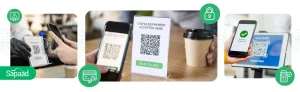
Convenient contactless ordering and payment systems also help in reassuring your customers that you take health and safety protocols seriously. Demonstrate your practices on social media and in your restaurant ecommerce website; try using video animation or promotional clips with real people in it.
Visual aids tend to receive more engagement than full texts or static images. Instagram videos garner 49 percent more engagement, and people are twice as likely to share videos with their friends than any other type of content.
4. Celebrate Social Media Holidays
Social media holidays strengthen the sense of community among virtual interest groups. Food-related holidays, like Cinco de Mayo, National French Fry Day, National Pizza Day, or World Baking Day pose opportunities for your restaurant to promote popular dishes; they let your customers share their most memorable moment with that particular dish.
You don’t even have to wait for a food-related holiday to engage with your customers. The International Day of Happiness, National Let’s Laugh Day, National Siblings Day, and other similar “holidays” are other opportunities to promote your business.
The key is to use your brand’s voice and persona to send a message referencing or celebrating the holiday and make it appropriate for different audiences on different platforms and your restaurant ecommerce website. On Facebook, typical audience now tend toward Gen X, Gen Y, and Baby Boomers, so they’re less likely to understand new slang and buzzwords.
Current slang expressions may be be more fitting on Instagram and TikTok, which are more frequented by millennials and Gen Zs. If you’re targeting professionals like company executives and other business leaders on LinkedIn, using business casual language is the norm.
5. Launch Targeted Ads on Real Holidays and Special Occasions
Ongoing restrictions on indoor dining may hinder your restaurant from going full house on special occasions and holidays like Mother’s Day, New Year’s Eve, Thanksgiving, and more. Thankfully, these important events also trigger an uptick in delivery orders, often days or sometimes weeks in advance.
Drive online orders to your restaurant ecommerce website on these occasions by utilizing different types of social media ads. It’s worth taking the time to become familiar with social media advertising on major platforms such as Facebook, Instagram, YouTube, and Twitter.
Platforms like Facebook have convenient built-in capabilities for audience targeting and analytics, which allow you to choose desired audiences and schedule your campaigns when your channel is most active. If you want to promote sales on Thanksgiving Eve, for instance, you could create two different ads for groups who can’t come home due to the pandemic and those who managed to stay with their families, and align your offerings along those lines.
6. Check up on Your Customers Through Direct Messaging

If you already use email marketing, take it up a notch and use SMS and instant message marketing. Direct messages sent via SMS or instant messaging apps like WhatsApp or Viber are usually read faster than email and create an urgency that email may not be capable of.
Customers don’t need lengthy messages to be persuaded to order, but don’t be limited to a small number of characters, either. Viber, WhatsApp, and the SMS app on your mobile device let you type more than 300 characters. You can also attach media to your messages. Use preview images and trusted branded link shorteners that don’t make it look like you’re phishing.
Sending instant messages also allows you to check up on inactive customers. Let these customers know that you’d love to see them again, especially when you have special promos or new offers.
Make Ordering Through Your Restaurant Ecommerce Website Easy and Fun With Social Media
Many solutions are now available to simplify your restaurant ecommerce website, drive revenue, and increase customer satisfaction. Third party alliances with food aggregators are there to keep giving you a steady stream of business. You can also invest some of your restaurant marketing funds toward an app or a website that gives you exclusive branding visibility.
Thanks to social media, you also have an inexpensive marketing alternative. If you haven’t integrated your online food ordering system into your social media profiles yet, now is the time to start.
Mirash T
Author

Related Blog Posts











Get the latest news and updates
Submit your email address to join our email list.