









































The Convenience of QR Code-Based Dine-In Ordering and the “Open Tab” Feature of Sapaad Direct
 Mirash T
As the world adjusts to the new normal brought on by the COVID-19 pandemic, the restaurant industry has had to undergo significant changes to keep up with evolving health and safety regulations. One of the most significant changes is the increasing prevalence of QR code-based ordering systems in restaurants, especially in dine-in situations.
Advantages of QR Code-Based Ordering
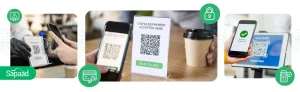
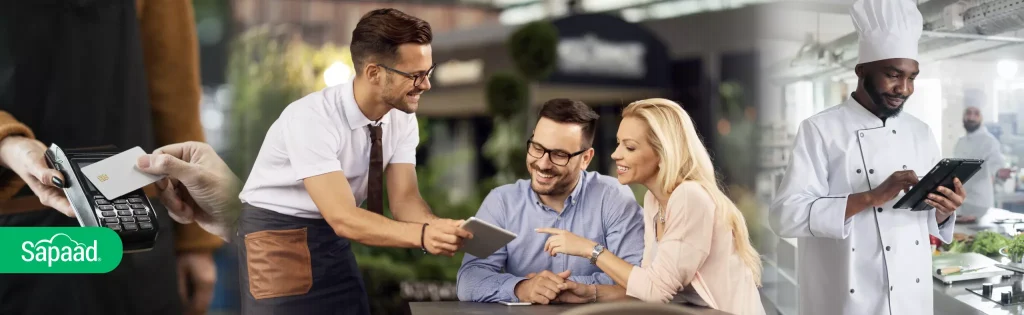
QR code-based ordering provides numerous advantages for both customers and restaurants. First, it optimizes manpower by eliminating the need for servers to manually take orders, allowing them to focus on other crucial duties such as customer service and cleaning. This streamlined method of ordering is especially useful in establishments with a high volume of foot traffic, where lines can form quickly and servers can become overwhelmed.

Individuals seated at the same table are able to scan the same QR code and place orders for the entire group using QR code-based ordering. This feature can substantially increase ticket sizes, as customers tend to order more when ordering for a group. This assists restaurants in increasing their revenue and profitability.
A further advantage of QR code-based ordering is that customers can order at their own pace without feeling rushed. They can place an unlimited number of orders without having to wait for order takers. This flexibility is particularly useful for diners who require additional time to peruse the menu or who wish to modify their initial order.
In addition, QR code-based ordering offers multiple payment options, including split billing, which can be useful for groups that wish to divide the bill equally. Customers can pay using a variety of methods, including credit, debit, and mobile wallets, which further enhances the system’s convenience.

QSR vs Dine-In QR Code Ordering
Ordering via QR code is not a novel concept in the restaurant industry. QR code-based ordering has been utilized by quick service restaurants (QSRs) for pre-ordering and pick up for some time. However, QR code-based in-restaurant ordering is a more recent development.
One of the primary differences between QR code-based ordering at QSRs and dine-in establishments is that in QSRs, customers can order and pay immediately, and their order is processed and delivered at the counter. In contrast, QR code-based ordering in dine-in situations involves scanning the QR code and placing the order at the table, after which the food is prepared and delivered to the table.
The “Open Tab” feature of Sapaad Direct provides a solution to this disparity. Customers can order first and pay later with the Open Tab functionality. After completing their meal, customers can settle their bill using a variety of payment methods, such as credit, debit, and mobile wallets. Open Tab enables customers to add items to their order without rescanning the QR code, making the process even more convenient.

Why You Need Open Tab For Your Dine-In Restaurant
The Open Tab function is an end-to-end solution that fulfills all requirements for QR-based in-restaurant ordering. It allows for a seamless ordering and payment experience for both customers and restaurants.
In addition, Sapaad Direct’s Open Tab feature addresses a common issue in dining-in situations: confusion over who takes the initiative to place the group’s order. Invariably, order takers go around taking orders and repeating the order at the end to ensure there is no misunderstanding. Nevertheless, the Open Tab feature enables individuals seated at the same table to scan the same QR code and place orders for the entire table. This personalized self-service tool has numerous advantages for both customers and restaurants.
Mirash T
Author

Related Blog Posts










Get the latest news and updates
Submit your email address to join our email list.