











































7 Ways to Pull Off a Successful Food Truck Concept
 Mirash T
In our How to Set Up a Successful Food Truck blog, we took you through the step-by-step process of getting your food truck business off the ground. Now, let’s discuss what it takes to make your business’s concept successful.
As there are over 30,000 food trucks currently operating in the US, entering the food truck scene as a first-timer can be intimidating, and you may ask yourself several questions before going in:
Can your concept still draw interest from the market?
Will you even find a city that isn’t teeming with competitors?
Do you have something unique to offer that other food trucks can’t replicate?
Thankfully, despite the tough competition in the food truck scene, it’s still a solid food business model in the US. While food trucks hadn’t been immune to the impact of COVID-19, the fact that they don’t have indoor seating gives them an advantage, as they made restaurant-quality food more accessible in the suburbs when in-house dining was banned.
But just because food trucks are popular doesn’t mean that starting one yourself is easy to pull off. Don’t be discouraged, though; we’ll explain the factors that make a food truck concept successful.
How to Pull Off a Successful Food Truck Concept
1. Choose the Right Location

The following cities in the US are known for being food-truck-friendly:
- Portland, Oregon
- Denver, Colorado
- Orlando, Florida
- Philadelphia, Pennsylvania
- Indianapolis, Indiana
- Houston, Texas
- Austin, Texas
- Los Angeles, California
- New York City, New York
- Nashville, Tennessee
These cities have relatively easy requirements for obtaining food truck licenses, though the permits themselves aren’t cheap. You also have to install fire suppression systems and budget for truck maintenance. The average startup costs for a food truck business, which range anywhere from $70,000 to $130,000, may not include revolving expenses such as maintenance, so keep that in mind while calculating your startup budget.
Take time to also research what your desired location is known for. For instance, if you plan to operate in Texas, your food trucks ought to have that “Southern” vibe locals can relate to and tourists would travel for.
2. Have a Unique and Creative Theme
Your food truck’s theme doesn’t have to be 100% original.
If you can think of something that hasn’t been done yet, that’s great, but it’s also all right to stick with something familiar. The trick is adding your own twist to it so that your food truck will be distinguishable from its competitors.
Market research plays a significant role in this part. As you conceptualize your food truck, you have to know the interests of your target market to come up with a theme that can grab their attention.
But don’t forget to incorporate your own style in the theme, too. A theme that marries your own creativity with your market’s interests is one key to a successful food truck business.
Once you have a theme in mind, think of a name that fits, and design an appropriate, visually appealing logo. You can be as creative as you like. Just like other restaurants, food trucks may not last on popular, short-term fads, so bet on a concept you commit to and you believe will be appealing to customers for some time.
3. Prepare a Solid Food Truck Business Plan
Not only does a business plan help launch your business; it also sets a roadmap for its future milestones. This roadmap can help you realize whether your food truck will appeal to your target market in the first place and is sustainable in the long run.
For example, if you want to set up a K-pop-themed food truck, how sure are you that it will attract K-pop fans? Is there a huge population of K-pop fans in your desired location? Will you serve meals that have been seen in K-pop stars’ mukbangs, like ramen, spicy rice cakes, and Korean-style fried chicken? Are you going to dedicate your concept to one K-pop group in particular, or will you pay tribute to the Hallyu wave itself?
Preparing a business plan will urge you to ask these questions to yourself and consider other risky scenarios, allowing you to view your food truck from an outsider’s perspective.
While it’s important to be passionate about your idea and have a positive vision, it’s a business at the end of the day, so it should satisfy a demand in the market in order to earn profit.
4. Plan Your Menu and Inventory
Food trucks usually operate with a compact menu, which presents some marketing challenges. So how are you going to make limited menu items worth a customer’s money?
Again, market research is crucial here because you can only sell what customers want. Though unusual menu items can draw interest, they may be regarded with skepticism. It’s best to balance your culinary creativity and customers’ preferences, so plan your food truck’s menu around what’s popular in the market. Plan as well for potential inventory challenges that could impact your menu.
For example, livestock and poultry safety issues like swine flu and bird flu have hurt many farms, grocery stores, and restaurants. Since many food trucks revolve around only one dish, a supply chain problem could quickly upend all your growth.
You can be flexible with your menu planning and pricing to minimize the impact of supply issues on your food truck. You can experiment with at least two signature ingredients or explore plant-based options. It’s important to have a foolproof menu item you can rely on under difficult circumstances.
5. Use Restaurant Technology
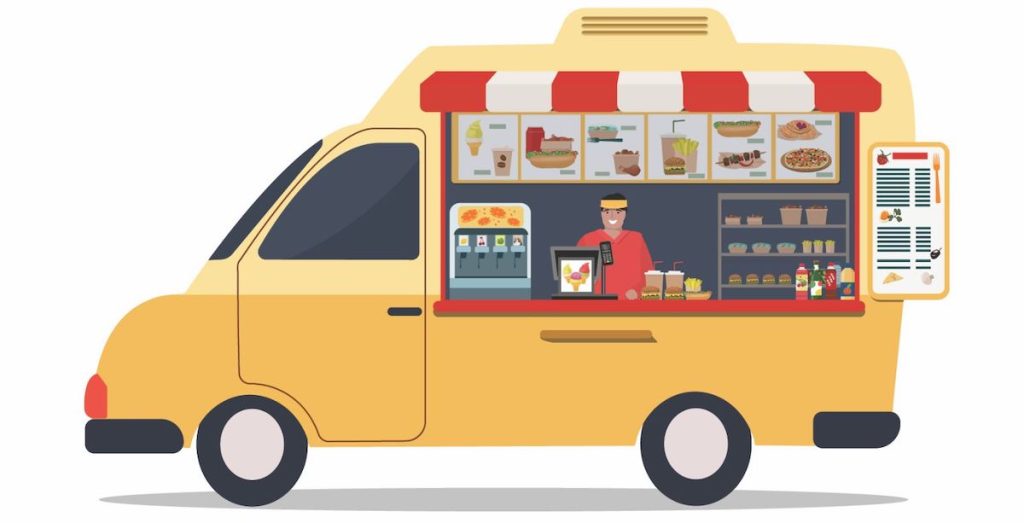
A food truck may not be a full-service restaurant, but restaurant technology is still vital to its operations. Make the most of your tech investment by opting for an all-in-one restaurant management system.
A cloud-based POS system can help you manage orders more efficiently, especially during peak hours. It’s also device-agnostic, so you don’t have to buy bulky hardware and worry about it eating up your food truck’s space. You can access your cloud POS on a tablet, so all you’d need is a sturdy perch for the device and you’re ready to take orders.
You can also connect a cloud POS with an online ordering and delivery management system. On top of that, you can take advantage of smart features such as a business intelligence dashboard and inventory management system. The dashboard will show you live updates of your performance, allowing you to track your sales and even manage multiple food trucks. Meanwhile, the inventory management system can perform digital stock takes, alerting you when an item reaches low stock levels. This feature helps ensure that you’ll only purchase items in appropriate quantities, which leads to lower operating costs and higher profit.
6. Get Support from Investors
You can get a head start in the food truck scene if an investor shares your passion and vision for it. Restaurant investors can give you the capital you need not only to launch your business but also to empower it for future milestones.
Your food truck business plan is crucial when looking for investors, so make sure you’ve addressed every possible opportunity and challenge your food truck may face. Pitch your concept thoroughly, especially if you’ll target angel investors, who focus on restaurant concepts they find interesting. However, if you prefer an investor who is more involved in your operations, it will be best to look for venture capitalists (VCs) who focus on a restaurant’s success potential and seek an ownership share of a business.
If you haven’t networked with investors yet, you can approach your friends or family. They’re more likely to support your business idea no matter where it stands in the market. You can also join food incubators or attend events specifically for food truck owners to meet fellow entrepreneurs and investors.
7. Diversify Sales Channels
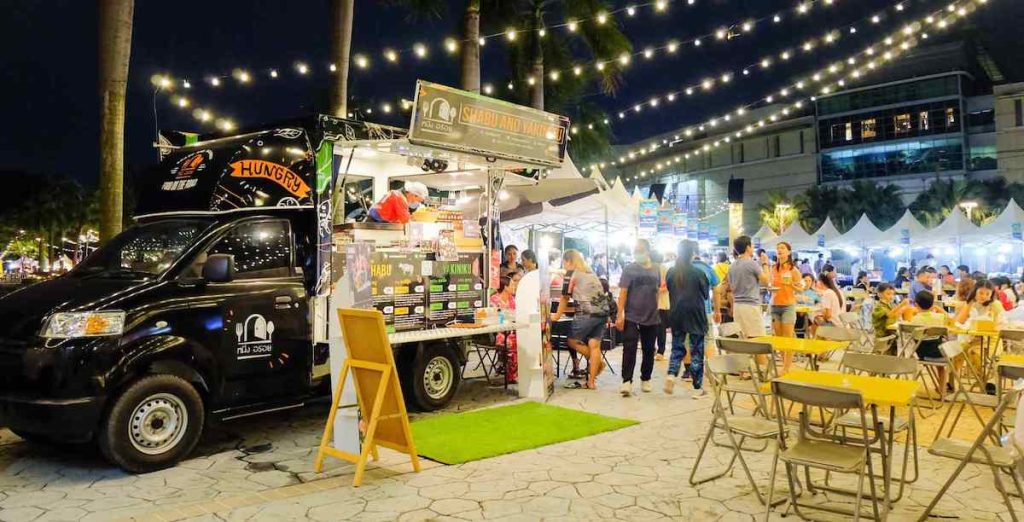
Be open to opportunities outside street service, such as private-event catering, as private events can be a promising revenue source. Network with event organizers so they can refer you to companies or families looking to host large-scale events. You can also apply to be a concessionaire for food festivals, where food trucks thrive and get a chance to elevate their menus.
If you want to add online ordering and delivery services, be aware that just like any other restaurant, you’ll have to pay commission to third-party food ordering and delivery apps like GrabFood. You can recoup those costs by marking up your online prices. Or, you can skip the commission altogether by hiring your own fleet of riders. But before doing so, ensure that you have enough online orders to justify the costs of in-house rider fleet management.
Steer Your Food Truck in the Right Direction
Let’s do a quick recap of the seven success factors for food trucks we just learned:
- Choose the right location
- Have a unique and creative theme
- Prepare a solid food truck business plan
- Plan your menu and inventory
- Use restaurant technology
- Get support from investors
- Diversify sales channels
While no success happens overnight, setting these goals means you’re off to a great start. If you make a business decision and see great results from it, stay in that lane and be consistent in your efforts. You should also leverage technology for labor-intensive tasks—like order and inventory management—so you can increase your operational efficiency and maximize your profit margins.
Lastly, don’t forget to deliver an unforgettable experience for your customers. Since you’ll be moving from one place to another, many customers may only have one chance to try out your dishes, so strive to make a lasting impression, letting your food do the talking.
Mirash T
Author

Related Blog Posts














Get the latest news and updates
Submit your email address to join our email list.