













































Should Your Restaurant Follow Diet Trends?
 Mirash T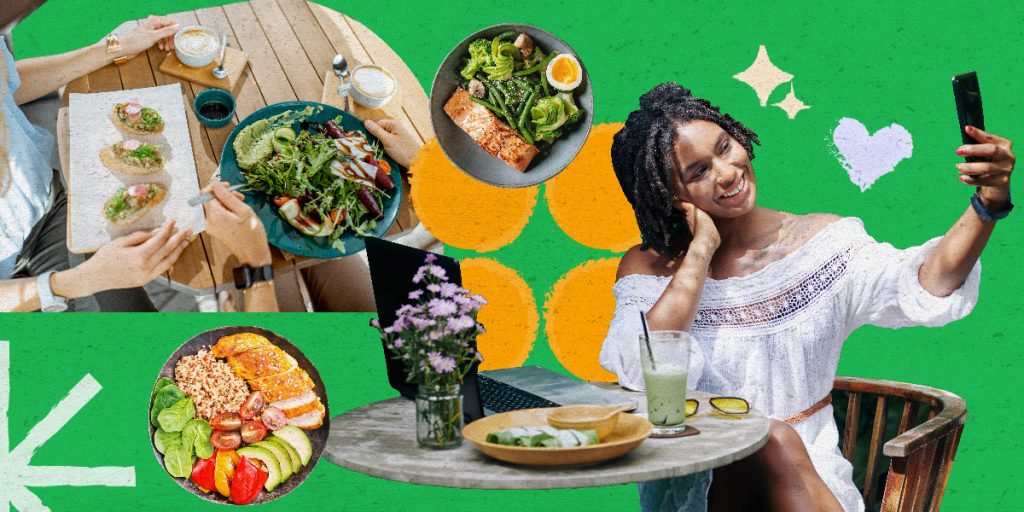
Every decade has seen some kind of diet trend take over pop culture that compelled restaurants to adapt. Take the Atkins Diet of the 90s, the liquified veggies of the 2000s, and the Paleo diet of the 2010s, for example. Today, the diet trends taking over social media include the ketogenic diet (or keto for short), pescatarian, calorie-deficit, and plant-based diets.
Some of these trends might last a good couple of years, while some could actually last a lifetime. So should your restaurant invest in them?
Adapting your menu entails changes in food costs and target demographics, possibly causing new challenges. Let’s learn more about diet trends; why you might want to include some diet-friendly items on your menu, and how doing this would impact your menu and overall profits.
The Shift Toward Healthy Eating

Eating healthy and clean isn’t something only models and celebrities do anymore. According to a 2018 survey by L.E.K. Consulting, a whopping 93% of consumers want to eat healthy at least “sometimes,” while 64% try to eat healthy “most or all of the time.”
The increasing consciousness of health and wellness among American consumers has been driving rapid changes in the food industry. Before health-conscious consumers buy anything, they want to know the origin story, sustainability efforts, and corporate ethics of the brands they’re considering. So if you want to adjust your menu to attract such diners, you have to do a lot more than serve salads and veggie broths.
So here are the best ways to adapt your menu to the current diet trends:
Keto Diet
The keto diet is a high-fat, low-carb diet. This leaves diners on a keto diet with limited options since restaurants typically serve equal portions of all food groups in one plate, if not greater portions of carb.
To cater to the keto diet, consider a build-your-own-meal option or a keto meal delivery service. Make sure to include all essential food groups: fat, protein, fruits and veggies, and fat. Avoid the mistake of excluding fruits and veggies; a common misconception about keto diet is that it doesn’t feature those food groups, when in reality, it only advises against starchy veggies and large fruits such as potatoes and bananas. So toss those leafy greens onto their plates!
A keto-friendly menu doesn’t have to be costly. You can opt for high-quality frozen fruits and veggies over fresh, especially when they’re not in season. Healthy oils derived from avocados, nuts, extra virgin olives, and seeds can be purchased at a low cost from inexpensive wholesale retailers. For proteins, buying a whole chicken is cheaper than buying steak, and egg, of course, is always an affordable ingredient. These ingredients may be simple, but they’re all versatile and can make everything from soups to entrees.
Pescatarian
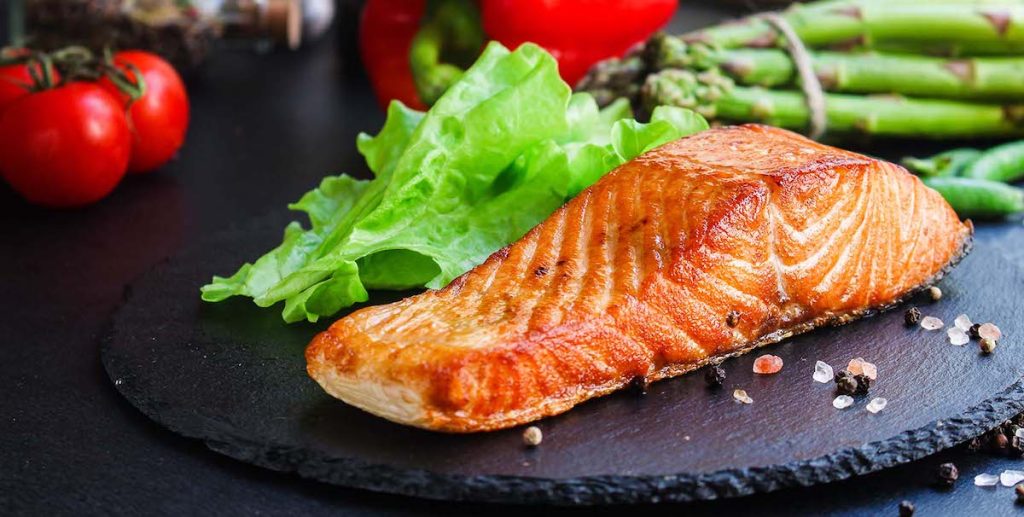
The pescatarian diet prioritizes fish and seafood as the primary source of protein. But it’s not strictly an all-fish or all-seafood diet, since customers on a pescatarian diet can also consume eggs and dairy.
Ideally, you should give pescatarians fatty fish options like sardines, tuna, mackerel, or salmon. It’s also important for them to consume sustainably sourced fish whenever possible.
But there’s a catch in going sustainable: salmon and tuna are among the “big five” overfished species, so they’re generally not considered sustainable options. Luckily, there are eco-friendly and cheaper alternatives to these overfished species.
You can find less expensive wild-caught fish from local fisheries. Supporting their businesses also lets your restaurant make a more positive impact on their community and economy. Organizations like Seafood Watch, Aquaculture Stewardship Council, and Marine Stewardship Council can provide you with more information on sustainable fish sources.
Calorie-Deficit
Consumers and health experts have mixed opinions on calorie-deficit diets since they can be restrictive, thus limiting the nutrients that enter a person’s body. So creating a calorie-deficit menu for your restaurant will require thorough, painstaking research.
The best and safest way to adapt your menu to this diet trend is to explore low-calorie and healthier alternatives to high-calorie ingredients. That way, you don’t need to decrease portion sizes dramatically and risk negative reviews. Using healthier alternatives also promotes balance instead of restriction, something health experts are encouraging.
You can cut down calories from your menu by swapping out canola, sunflower, or soybean oils for unrefined varieties like olive oil, coconut oil, or peanut oil. But using unrefined oils may require you to change some cooking methods.
Unrefined oils usually have a low smoke point, so in high heat, they can easily burn food and give it an acrid flavor and aroma. On top of that, when unrefined oils are heated past their smoke point, they will also get closer to their flash point, wherein they release ignitable gasses that are a major fire hazard near an open flame. So if you’d use unrefined oils for your low-calorie menu items, your chefs and cooks should be extra vigilant.
To ensure your kitchen’s safety with unrefined oils, use them for healthy dishes that don’t require extremely high heat, like stir-fries, oil-based pasta dishes, and low-cholesterol meals. Avoid using them for deep frying.
You can also explore cooking methods that require little to no fat, like poached eggs, vegan gumbo, chicken pasta salad, and healthy soup bowls.
Plant-Based
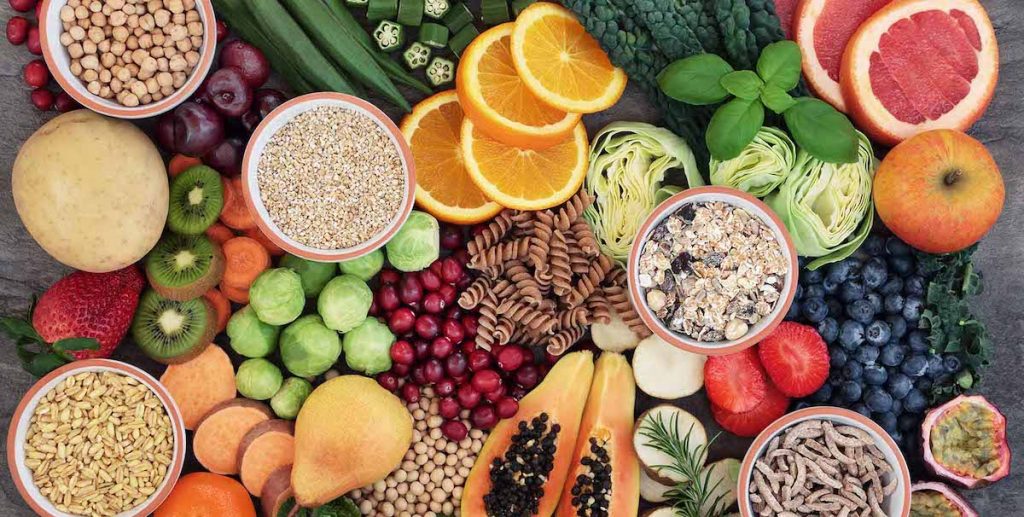
In 2021, Deliveroo reported a 146% increase in orders from plant-based restaurants and a 114% demand boost for vegan options. So offering a plant-based menu can help your restaurant grow at a faster rate.
Plus, it’s looking as though the plant-based craze isn’t just a passing fad unlike the 90s-00s diet trends. Instead, Bloomberg Intelligence reported that the market for plant-based meals will account for 7.7% of all protein sales worldwide by 2030.
Because of the growing preference for a plant-based diet, creating a vegan menu is relatively easy and inexpensive. Local farms offer fresh produce for less, and there are low-cost vegan protein sources such as lentils, nuts, beans, and tempeh. Try to opt for organic varieties to be more sustainable.
You don’t have to give up livestock and poultry altogether, unless you’re rebranding to become a 100% plant-based restaurant. But do consider that offering both meat and meat-free options makes your restaurant more flexible and inclusive, allowing you to target a larger demographic instead of a niche one. Besides, you can find more sustainable livestock and poultry by choosing free-range and grass-fed options.
Is Following Diet Trends Worth it?

In an era when consumers’ awareness of health and wellness is rapidly increasing, following diet trends only makes sense for restaurants.
Adapting your menu can also lead to increased revenue. The global ketogenic market size is expected to grow at a CAGR of 5.5% from 2020 to 2027. Forecasts are even bigger for the plant-based meat market: a CAGR of 19.3% from 2022 to 2030.
With a strong and steadily increasing market, a menu adapted to healthier diets will help attract customers from niche groups to your restaurant. You may even gain publicity from healthy foodies and the press since restaurants that cater to different diets are still far and few in between in many places.
Healthy eating also often goes hand-in-hand with sustainability, which also promotes sourcing ingredients from farmers and producers that operate with less carbon footprint.
So if you can commit to eco-friendly business practices and operations, and you have a passion for helping enhance customers’ well-being, then following diet trends can steer you in the right direction. However, you should first and foremost consider its costs and benefits before making a decision.
While diet-friendly menus are in demand now, food trends still come and go, and FOMO can quickly change customers’ behaviors. So keep studying the market and monitor the performance of your menu items using business intelligence reports. If the numbers indicate that you’re already headed for growth without a revamped menu, then maybe following the trend can wait. After all, there’s no need to fix what isn’t broken.
Mirash T
Author

Related Blog Posts




















Get the latest news and updates
Submit your email address to join our email list.