








































The Future of Restaurant Tech: What to Expect in 2025
 Armie Miraflor
AI is changing how customers think about eating out. Similar to how your regulars love it when you remember their usuals, today’s diners want everything custom-made for them. The more you can make each guest feel special, the more likely they are to come back.
It’s no secret AI has driven customer expectations to lean further and further towards hyperpersonalization. But it’s not just AI that we should be focusing on.
While several reports have deemed that the restaurant sector has been slow to embrace AI and tech advancements, we can definitely see this shifting in 2025.
This race to constantly innovate benefits both tech giants and restaurateurs; resulting in advanced restaurant technology and AI becoming more accessible. It’s possible that by the end of this year, even small businesses may be able to harness these tools in both front-of-house and back-of-house operations.
That said, here are some of the hottest trends in the restaurant tech space that we should definitely be looking out for:
Serving Face: Facial Recognition for VIP Service
When it comes to fine dining, personalized experiences are a top priority for front-of-house teams. However, as the business grows, so does its customer base—and with it, the challenge of managing an ever-expanding list of customer preferences. This can strain front-of-house operations if they don’t have the right tools and technology to support them.
While some restaurants still rely on the traditional pen-and-paper method, others have embraced CRM systems to streamline their processes. But there’s room for even greater improvement by integrating biometric technology, such as facial recognition.
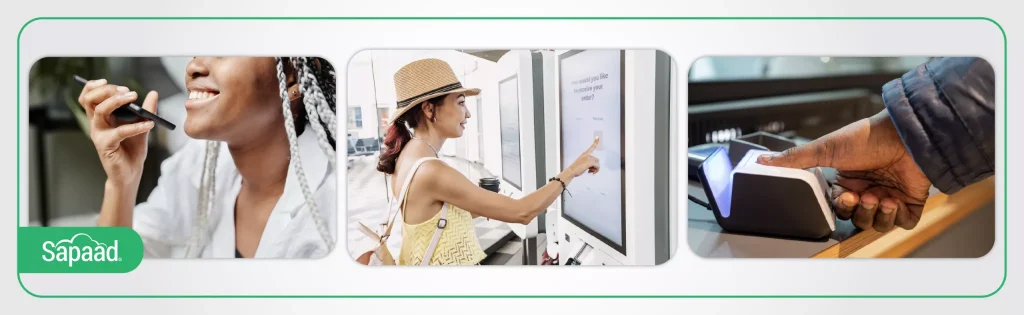
The idea is that facial recognition will instantly identify regular customers along with their preferences and dietary needs the moment they walk through the door. But the potential of this technology doesn’t stop there—it can also elevate the self-service kiosk experience, particularly for customers with loyalty subscriptions.
Taking Cashless to the Next Level
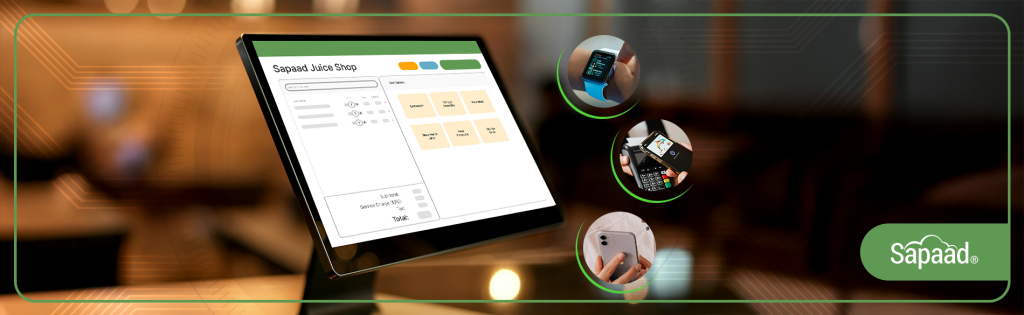
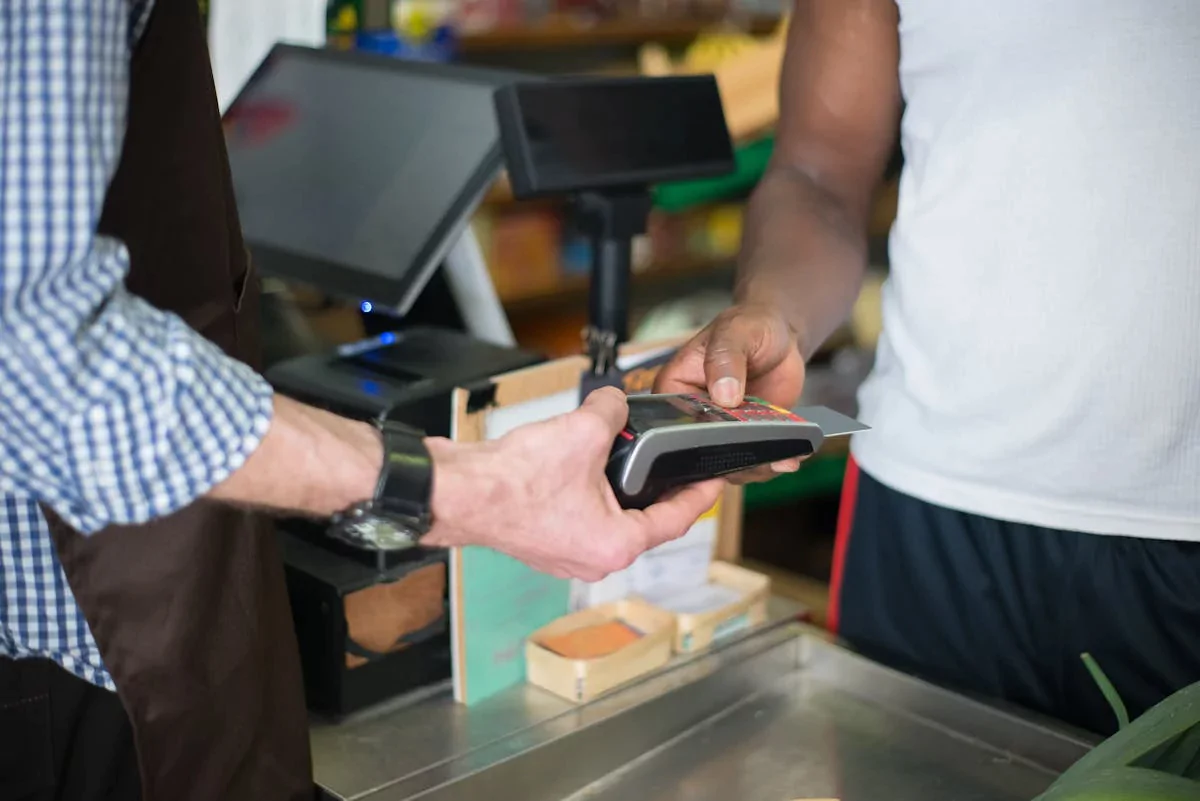
The pandemic pushed contactless payments into the spotlight. Over the years, we’ve seen it evolve—from mobile wallets to QR codes and even tap-on-mobile tech. But it seems as though we’re just seeing the tip of the iceberg. Cryptocurrency and biometric payments are already on the horizon, and with digital banks popping up everywhere, it’s only a matter of time before these innovations take off.
Of course, it’s no surprise that AI is one of the biggest advancements – if not the biggest – set to take over this space. Take Amazon’s Just Walk Out Technology (JWO), for example. It uses AI and machine learning to track what customers pick up and automatically charge them as they leave. Basically, customers can just walk out of the store—no waiting in checkout lines, no hassle.
While we have yet to see this kind of tech applied in the restaurant sector, it’s not hard to imagine how much of a gamechanger it could be once it’s ready.
The Delight in Digital Menu Boards
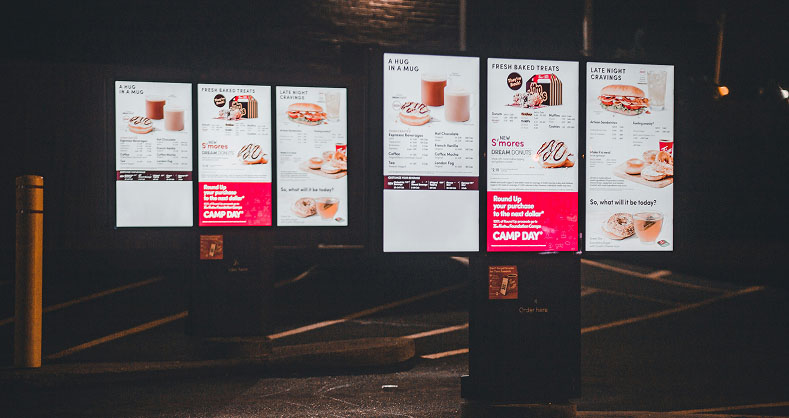
There’s no denying that chalkboard menus have their charm and aesthetic appeal, but they can also be a hassle to maintain. Standard menu boards, on the other hand, are effective but lack that customizable charm. That’s where digital menu boards come in—they toe the line between functionality and practicality.
With digital menu boards, you can delight your customers by adding something new every day or even programming them to adapt to the season or weather. Plus, if connected to your POS system, updating sold-out items or changing prices for promotions becomes a breeze.
It’s no wonder they’re so popular in the QSR space. Take Burgerville, for example—they’ve been rolling out digital boards to showcase their menu in exciting, dynamic ways and even display customer orders at the drive-thru.
Order Ahead and Geofencing Marketing
According to a recent report by McDonald’s, it seems that mobile orders are becoming even more popular; accounting for a growth of 5.8% from 2022 to 2023. It’s no wonder they’re one of the biggest frontrunners in advocating for the use of geofencing technology for store-pickup orders, or in their terms, “Ready on Arrival” orders.
The way it works is that it tracks where the customer is, and once they’re within a certain distance to the restaurant location, it then notifies the staff to start prepping the order. The benefit lies in improving the productivity of the staff and ensuring that the order is still fresh once the customer drops by to pick it up.
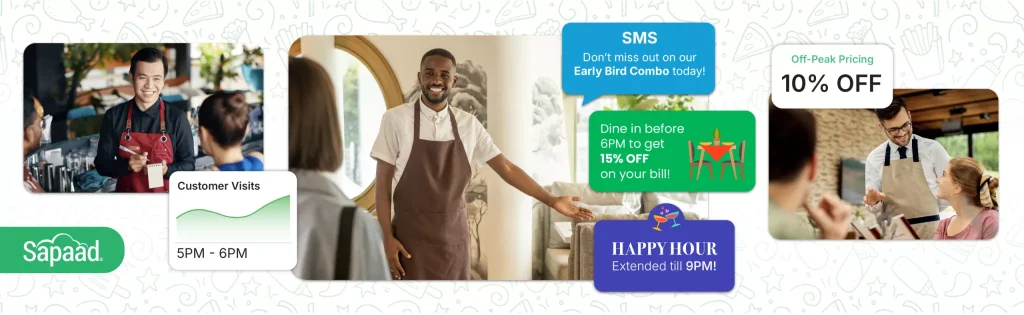
Another way of incorporating Geofencing technology into restaurant operations is by way of marketing. Similar to how it works for curbside pick-ups, geofencing marketing notifies the customer via SMS, email or in-app alerts about the brand’s promos, enticing potential diners to visit their nearest location.
2025 is gearing up to be an exciting year where tech and restaurant operations come together in bold, innovative ways, reshaping the industry in ways we can only begin to imagine.
Armie Miraflor
AuthorFood and business writer obsessed with the intersection of restaurant technology, brand strategy, and great customer experiences.


Related Blog Posts
















Get the latest news and updates
Submit your email address to join our email list.