













































A Comprehensive Guide to Different Types of Restaurants
 Marice Adraneda
Every restaurant tells a unique story shaped by its menu, service, and ambiance. It’s not easy to stand out in today’s highly competitive restaurant industry, but understanding the modern F&B landscape brings you closer to achieving your culinary dreams.
In this guide, we’ll talk about the different types of restaurants, including their unique strengths, challenges, and insider tips to help you thrive
What Makes Each Restaurant Type Unique?
Defining restaurant types comes down to four key aspects: service style, menu selection, ambiance, and your target market. The combination of these four factors defines your restaurant’s unique identity:
- Service Style: Some restaurants are all about efficiency. Others offer more personalized experiences where each dish feels like it must be savored down to the last bite. Fast food chains prioritize efficiency, while fine dining turns every meal into an experience – focusing on high-quality ingredients and first-class service to wow the customers.
- Menu Selection: Your food tells your story. Some restaurants transport diners through authentic, country-specific flavors. Others focus on culinary innovation, mixing ingredients and techniques from various cuisines to come up with menus that are totally unique to their brand.
- Ambiance: Have you ever walked into a place and just felt happy, peaceful, or nostalgic? That’s the power of ambiance – intentionally designed to evoke specific emotions. Your space sets the tone even before the first plate is served.
- Target Market: Family spots need wallet-friendly options and high chairs, while upscale restaurants are selling an experience, not just a meal.
Fine-tuning these elements can help you create a brand that stands out in a crowded market. Your unique combination becomes your competitive edge, helping you attract the right target market which you can grow into a dedicated and loyal customer base.
Common Restaurant Types
Restaurants come in all shapes and sizes; each catering to different audiences. Let’s talk about the most common restaurant types below:
- Fine Dining: These establishments focus on serving exquisite food while giving the diners a posh dining experience. Think white tablecloths, sommelier-recommended wines, and dishes that look more like art than food. A good example is Nobu, which redefines the culinary landscape with a distinctive blend of Japanese and Peruvian flavors.
- Casual Dining: This is where families, friends, and coworkers typically gather. Chains like Chili’s and TGI Fridays serve up comfort food with zero pretension. Good food, reasonable prices, and a relaxed atmosphere – nothing fancy, just solid meals that hit the spot.

- Fast-Casual: Chipotle and Panera are good examples of fast-casual restaurants. You get restaurant-quality food but at fast food speeds. Fresh ingredients, customizable meals, and quick service – perfect for people who want quality without the long wait time.
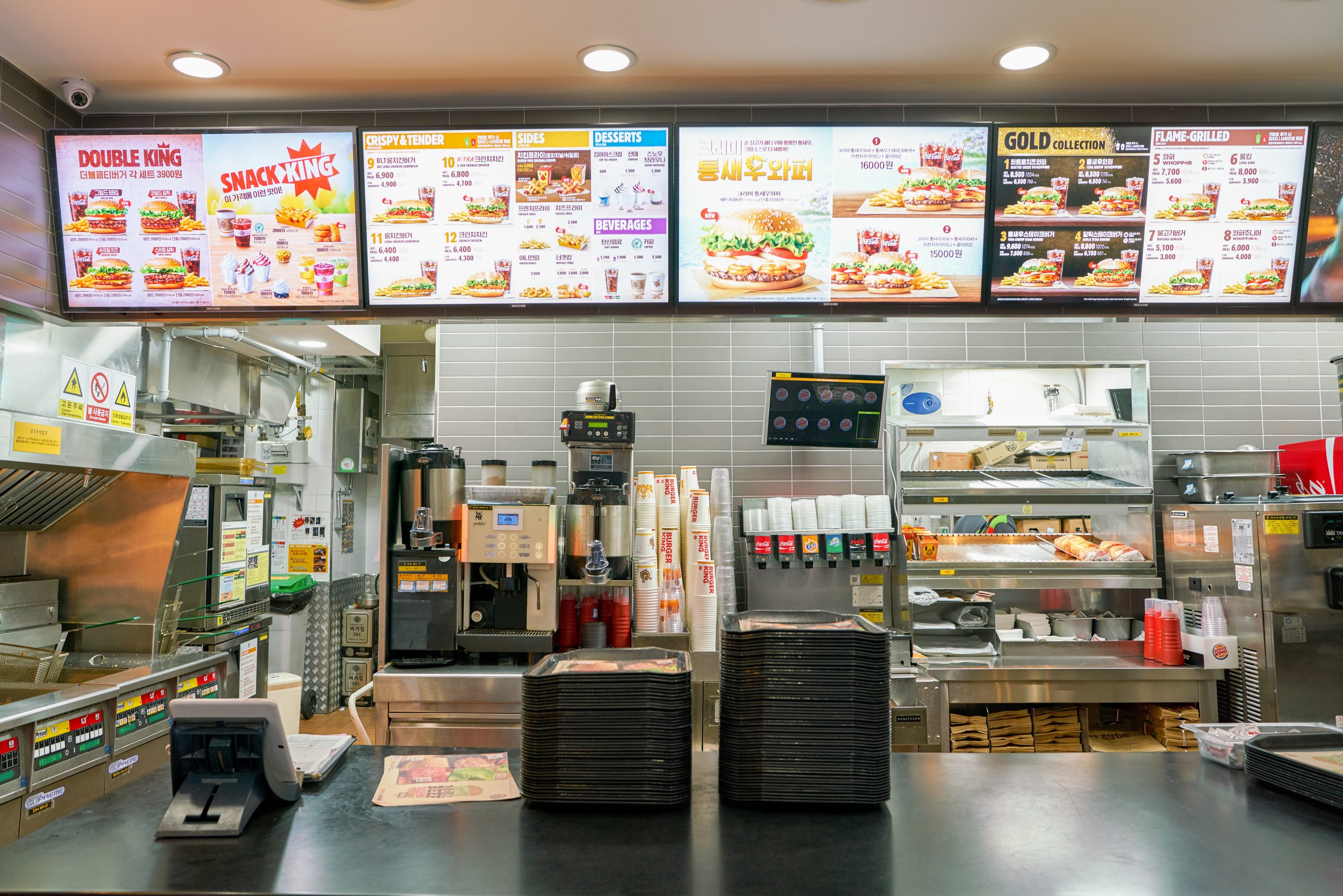
- Fast Food: McDonald’s, KFC, Subway – these are the pit crew of the restaurant world. Lightning-fast, super affordable, and designed for maximum convenience. When you’re hungry and in a hurry, these are your go-to’s.
- Ghost Kitchens: These are restaurants minus the dining space. Brands like MrBeast Burger are proving you don’t need a physical space to serve great food. Ghost kitchen transactions are done exclusively online and delivered mainly through third-party services like GrabFood, Uber Eats, and Foodpanda.
Specialty Restaurant Types
Specialty restaurants focus on niche dining experiences. They are very specific when it comes to their service, themes, and the food they serve. Below are four popular types that stand out in the restaurant industry.
- Ethnic Restaurants: These spots give you cultural experiences minus the travel. Local spots like Thai Pavilion and Guelaguetza serve dishes that stem from generations of culinary tradition.
- Pop-Up Restaurants: Pop-ups are temporary dining spots that usually focus on exclusivity and novelty. Chefs get to experiment, food lovers get exclusive experiences, and everyone wins!
- Buffets: Buffets are popular among families and big groups because of their fixed prices and diverse menu. A good example of this is the Golden Corral, which is an all-you-can-eat buffet and grill chain in the United States.
- Cafes and Bistros: These are the living rooms of the food world. Starbucks is a coffee place, but it’s also “selling” a workspace, a meeting spot, and a quick bite. Bistros, on the other hand, brings a laid-back European charm characterized by a relaxed and intimate dining experience.
Trends and Modern Restaurant Concepts
Restaurants are always looking for ways to switch things up as trends and tastes evolve. Below are four trends and concepts currently shaping the dining landscape:
- Hybrid Models: Have you ever seen a restaurant that’s also a shop? Yep, those establishments exist. Some pizzerias, for example, let you order a freshly baked pizza, while still offering frozen pizzas to go. Aside from offering flexibility, they also make it more convenient for their diners to dine outside or even at home.
- Sustainability: “Green dining” is one of the hottest trends right now, no matter where you go. Spots like the Blue Hill at Stone Barns make it a point to use locally sourced ingredients, zero waste, and minimal plastic. These types of restaurants are very conscious about the waste that they produce and how they can minimize it.
- Tech-Driven Dining: If there are better options than getting in line in a restaurant, wouldn’t you take it? Most people are super busy, which is why restaurants now have QR ordering, robotic kitchen assistants (Chipotle is a good example), and online apps that make ordering and payment a lot easier.
- Experience-Oriented Dining: Food is art, and so is dining. Each restaurant tells a different story, and places like Icebar Stockholm are helping people create memories through dining. Other spots even have augmented reality projections, interactive dining, and themed environments to keep the diners entertained.
Selecting a Restaurant Type
Choosing the right type of restaurant based on your vision and budget is essential for long-term success. Below are some important factors to consider:
- Understanding Your Target Audience: Do your research beforehand and get to know your target market. For example, if you’ve chosen a location that is based in a high-income neighborhood, then you might want to go for a fine dining establishment. However, if you’re planning on putting up a business near a university, then those trendy and fast-casual spots might be your best bet.
- Evaluating Operational Costs and Margins: No business would flourish without proper financial planning. If you’re looking to put up a fine dining restaurant, then be prepared to spend on expensive ingredients and high-quality kitchenware. Every single coin matters, and you have to plan ahead with your finance team to avoid overspending.
- Location and Market Demand: Determining your restaurant’s location ties up with understanding your target audience. Consider the foot traffic in the area to see if your business would thrive in a physical or online setting. Take a look at your neighborhood and see what type of people make up the area – you can also conduct surveys beforehand to get their insights.
Challenges Faced by Different Types of Restaurants
All types of restaurants have to deal with challenges – it just comes down to how they handle it. Here’s a breakdown of the most common obstacles that restaurateurs face:
- Fine Dining: These types of restaurants are not just selling food, they’re also selling an experience. Their customers aren’t apprehensive about paying top dollar for a luxurious night out, which places high pressure on both front and back of the house staff members to maintain exceptional service from opening to closing.
- Ghost Kitchens: These are establishments that rely on a strong online presence since they don’t have a traditional brick-and-mortar store. Sure, you’ll save money by not having to pay rent, but this also means you need to be able to establish your brand and build trust within the community purely through a single, remote channel.
- Buffets: One of the biggest problems faced by these restaurants is food waste. The challenge is to be able to strike a good balance between a diverse selection that entices your target audience, without going overboard and having to discard large amounts of uneaten food. Be prepared to do plenty of portion control, smart menu planning, and close monitoring of customer preferences and consumption habits to maximize your returns if you choose to run a buffet.
- Fast Food: The younger demographic is most likely to frequent fast food establishments, which means these restaurants need to keep watch on the latest viral trends and quickly adapt to capitalize on them. It’s not just about speed anymore – they also have to take cultural relevance into consideration if they want to attract and retain customers.
Restaurant Trends by Region
Restaurant trends vary across regions, shaped by local preferences and evolving customer behaviors.
- The GCC: The Gulf Cooperation Council is big on fine dining. The high-income locals are dining out for the experience, and the upscale restaurants are not competing on the taste alone, they are also trying to one-up every other spot through their exceptional service and latest technology.
- Asia: If you have ever been to Asia, then you’ll know that they are huge fans of street food and cheap eats. Some parts of Asia such as the Philippines and Malaysia mix traditional recipes with innovative techniques, creating amazing fusions that you can’t see anywhere else in the world. For example, the Adobo Flakes Nasi Lemak combines the Philippines’ crispy adobo flakes with the traditional components of Malaysia’s nasi lemak.
- Western Markets: Restaurants in the West are all about making a statement. You have to pick a niche and stick to it. For example, if you want to cater to vegetarians, you can go for a plant-based menu. The Western food industry is a fast-paced one, and you must be ready to change things up if needed.
How Technology Shapes Restaurant Types
Technology has become the backbone of restaurant operations, as it helps provide efficiency and better customer experiences across different formats.
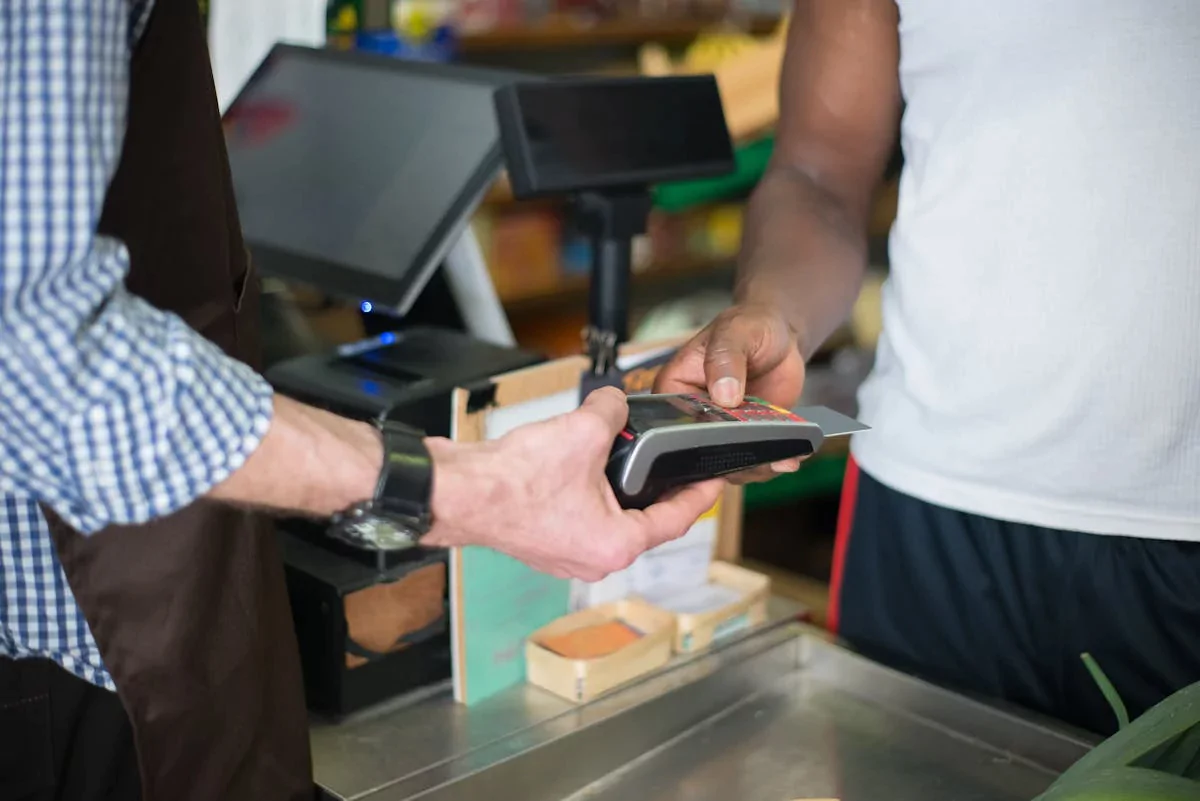
- The Role of POS Systems: Modern Point of Sale (POS) systems are changing things in the restaurant industry. Powerful solutions like Sapaad can do so much more than just process transactions. The system can also provide inventory tracking, manage customer relationships, and generate advanced sales reports – all in real time. It’s like having a trusted manager who you can rely on to keep your business thriving.
- Online Delivery Platforms and Third-Party Integrations: Delivery platforms such as Uber Eats and Deliveroo are providing cutting-edge solutions for online orders and deliveries. Small local spots like 5ive Spice are able to serve customers across New York without having to spend massive amounts on marketing or rent – they are just relying on their online presence and third-party ordering apps to thrive.

- Using Data Analytics to Refine Offerings: Having the correct data in your hands is the type of information that you should be taking advantage of, as this can make or break your restaurant. Through real-time data, you can see what your customers are into, predict busy periods, and craft a menu that you know they will love and patronize.
Conclusion
By understanding the differences, pros, and cons between restaurant types in the modern F&B landscape and leveraging restaurant technology, you can tailor your dream establishment to cater to the right market; increasing your chances of culinary success!
Sapaad is an intuitive restaurant management solution that helps simplify operations, streamlines workflows, and helps you focus on what truly matters: satisfying your customers.
Ready to elevate your restaurant’s performance?
Book a free demo and discover how Sapaad can transform your business today.
Marice Adraneda
AuthorMarice is a Senior Copywriter with over a decade of experience. Passionate about writing, she has worked with diverse companies, honing her skills in crafting compelling content. When she's not writing, Marice enjoys outdoor adventures like surfing, wakeboarding, and spending time at the beach. An avid animal lover, she shares her life with a diverse pet family.


Related Blog Posts
























Get the latest news and updates
Submit your email address to join our email list.